Physical Address
60 Ekwema Cres, Layout 460281, Imo
Physical Address
60 Ekwema Cres, Layout 460281, Imo

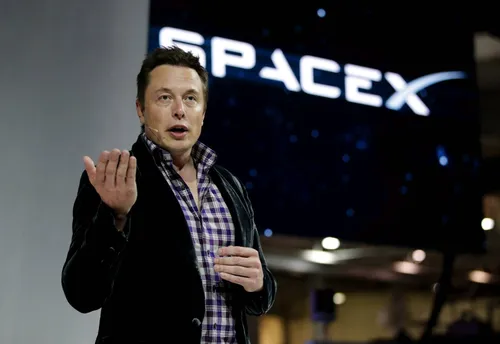
Elon Musk sees internet access as a weapon against global poverty. The billionaire owner of X has made a bold claim: the single biggest thing governments can do to lift people out of poverty is to give them an internet connection. This idea challenges old ways of thinking about aid. Musk, through his company SpaceX and its Starlink service, is pushing satellite broadband into hard-to-reach places. These include areas in Nigeria where fiber cables are missing, mobile networks fail often, or tough geography and politics block connectivity.
Starlink uses low-Earth orbit satellites to bring fast internet without needing ground towers, trenches, or long waits for national projects. By late 2025, it had grown into the largest satellite network in space, with over 9,300 working satellites. This speed shows how quickly such tech can spread. Times Entertainment of India highlighted Musk’s view that the internet is not just a luxury, it’s key infrastructure. It turns a local life into a global one. Once connected, barriers to learning and earning start to break down.
Read Next: UTME 2026: JAMB Vows ‘No Network Blackspots in Nigeria’ for Live CBT Surveillance
Major groups like the World Bank back this up with hard evidence. In a January 2026 report, their economists found clear links between internet access and better jobs, higher wages, and less poverty. They warn, though, that tech only helps if it reaches everyone, not just those who already have it. Studies in places like Nigeria and Tanzania show real gains from better broadband. Families spend more on basics, and workers move to higher-paying jobs. Mobile broadband expansion there boosted household money and shifted people into more productive work.

The power of the internet lies in how it cuts the cost of opportunity. It does more than share news or fun videos, it acts like economic roads and bridges. People can find jobs cheaper, reach customers far away, learn new skills, and offer services without big upfront costs. In real life, this changes everything for families and communities. A young person in a remote village can watch free online tutorials to learn coding, plumbing, or farming tricks. No need for expensive schools, travel, or approvals. Language apps and job training open doors blocked by distance or money.
Small business owners get a huge boost too. Imagine a tailor in rural Nigeria who once sold only to neighbors. With the internet, she posts photos of her work on social media, gets orders from cities or even other countries, and builds a name for herself. Her customers are no longer limited to one village’s budget. A farmer checks real-time crop prices to sell smarter. An artist ships handmade crafts worldwide. Tutors teach kids online, earning from anywhere. These shifts turn side hustles into real incomes.
Connectivity also fights poverty’s hidden traps: lack of information. Without the internet, people miss job ads, government aid programs, or market tips. They stay stuck in low-pay cycles because they don’t know better options exist. The Internet fixes that. It lists openings, shares skills courses, and connects users to helpers. In Africa, where mobile money like in Nigeria already changes lives, adding reliable broadband supercharges it. Entrepreneurs send payments instantly, track sales, and grow without banks nearby.
Read Next: PayPal Partners with Nigeria—Yet Continues Blacklisting Nigerian Users
But questions remain. Starlink reaches tough spots, yet who pays? High costs or poor governance could make it a tool for the rich, widening gaps. Musk’s push tests if satellite internet can truly equalize chances. The World Bank stresses fair rollout. If priced right and shared widely, it could lift millions.
Musk’s vision rests on proven truths: connectivity grows jobs, tech has raised lives before at big scales, and smart management decides if it’s a bridge or a wall. In Nigeria and beyond, Starlink’s arrival sparks hope. Governments watching could make the internet a poverty killer, just as Musk says.
Was this information useful? Drop a nice comment below. You can also check out other useful contents by following us on X/Twitter @siliconafritech, Instagram @Siliconafricatech, or Facebook @SiliconAfrica.