Physical Address
60 Ekwema Cres, Layout 460281, Imo
Physical Address
60 Ekwema Cres, Layout 460281, Imo

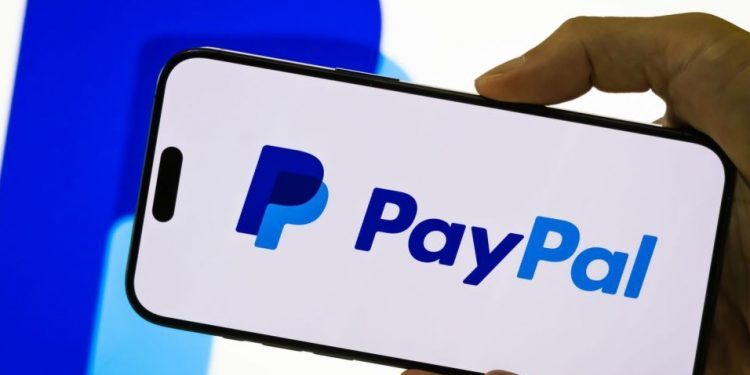
PayPal’s recent announcement of partnering with Nigeria’s Paga on January 27, 2026, sparked hope among users. After 20 years of barriers, Nigerians could finally link accounts, receive global payments, and withdraw in Naira. But excitement faded fast. PayPal continues blacklisting Nigerian users, repeating the same old problems that have frustrated millions.
Within hours, complaints flooded social media. X user @ajibola__aa tested with a one-dollar payment. His account locked immediately. @_tsmusty tried again after the news. He submitted documents, only to get a lifetime ban. These aren’t rare cases. They’re the norm. Nigerian users have faced locked accounts, failed verifications, and held funds since 2004. The Paga deal changed nothing.
Read Next: Egypt’s Valu Secures $63.6 Million Financing Boost from National Bank
Cardtonic, a local fintech, outlined the core issues in its 2025 guide. Personal accounts can only send money, not receive it. No direct bank withdrawals. Users need virtual dollar cards as workarounds. Even then, fees hit hard: up to 4% for currency conversion and 5% for international deals. The partnership didn’t lift these rules. It just added hype.
History shows the pattern. In 2004, PayPal banned Nigerians from receiving funds over fraud fears. A 2014 First Bank deal allowed sending only, with tight limits. 2021’s Flutterwave link helped businesses but ignored individuals. Each promise brought buzz, then betrayal. The Foundation for Investigative Journalism noted in 2022 that Africans called it racist after freezes and seizures. Kenyan user Sheila Amolo’s account froze on her first payout. Support gave canned replies, no solutions.
The losses hurt deeply. @iamOgunyinka lost thousands from 2019-2021. He got scammed by a middleman for a client project. @iam__temmyyy still misses $100 from an OF promotion, his hard-earned cash. Freelancers lost global gigs. Businesses stalled. Creators quit platforms. PayPal’s walls forced Nigerians out of the digital economy.
Skepticism boils over in the tech community. @ronaldnzimora says PayPal’s desperate. It’s dying amid competition, crawling back to a market it mistreated. @EboEmakhu calls it an insult. For years, Nigerians built despite blocks. Local fintechs like Flutterwave and Paystack filled the gap, handling risks PayPal dodged. Now, with Africa’s creator economy booming, PayPal piggybacks via Paga, without fixing its flaws.
@Mrbankstips nails the anger: 21 years of exclusion, now audacity to join a billion-dollar ecosystem Nigerians built alone. Warnings ring loud. @SirLeoBDasilva: Don’t expect fights if PayPal holds your money. @lorddrey: Skip it, it’s a dying firm resurrecting on bad faith.
Read Next: Namibia Rolls Out Free Internet for Schools and Clinics Nationwide
Critics link this to PayPal’s roots. Founders like Elon Musk and Peter Thiel faced backlash for views downplaying equity. Their influence taints perceptions of a company that excludes while claiming inclusion.
PayPal outsourced withdrawals to Paga but kept the locks, fees, and fails. Nigerian fintechs prove fair service is possible. Users built workarounds and rivals. Why trust PayPal now? The evidence screams no. Stick to homegrown options that respect your hustle.
Was this information useful? Drop a nice comment below. You can also check out other useful contents by following us on X/Twitter @siliconafritech, Instagram @Siliconafricatech, or Facebook @SiliconAfrica.