Physical Address
60 Ekwema Cres, Layout 460281, Imo
Physical Address
60 Ekwema Cres, Layout 460281, Imo

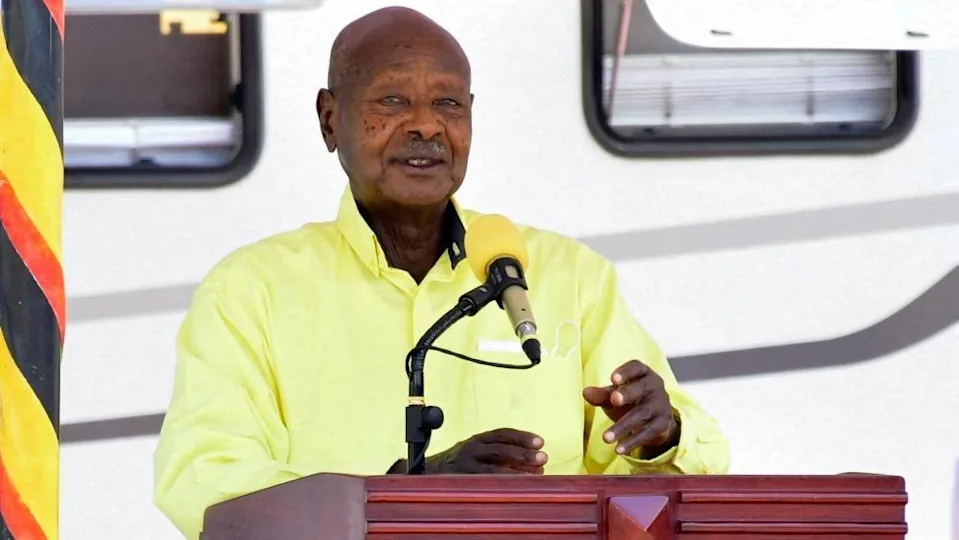
Uganda braces for internet blackout as Starlink faces service restrictions, sparking widespread fears just days before the January 15 general elections. The East African nation is on edge after the government cracked down on Elon Musk’s satellite internet service. This move has reignited debates over access to information, free speech, and fair voting in a country where reliable internet is already scarce.
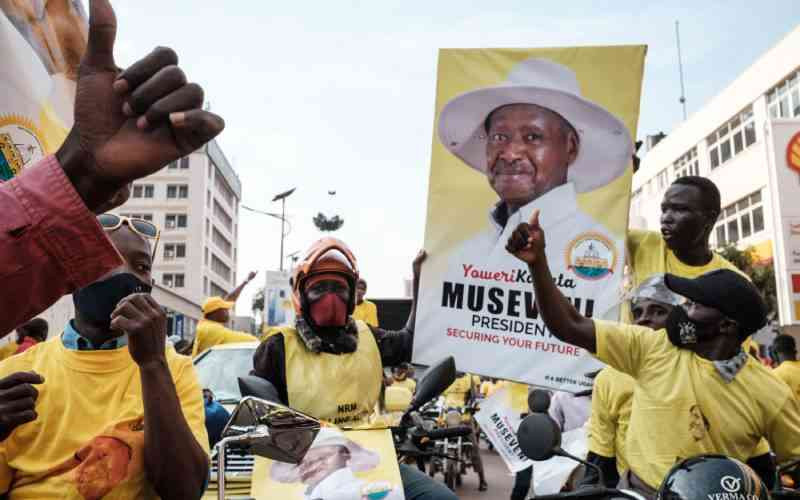
President Yoweri Museveni, who has ruled for 40 years, seeks to extend his grip on power. His main rival, Bobi Wine, real name Robert Kyagulanyi, a former pop star turned politician, poses a strong challenge. With social media key to campaigns, any internet curbs could tilt the scales. Uganda braces for internet blackout, much like past polls marred by shutdowns and violence.
Read Next: How to Easily Link your NIN and MTN Online 2026
The news of Uganda bracing for internet blackout as Starlink faces service restrictions began with a sharp directive on December 19, 2025. The Uganda Revenue Authority (URA) halted imports and clearance of Starlink hardware. Now, all devices must get approval from the Chief of Defence Forces. This puts the technology under military watch, citing national security risks.
Officials worry Starlink’s low Earth orbit (LEO) satellites bypass local networks. This makes it tough for authorities to monitor or control traffic. Starlink faces service restrictions ahead of Uganda elections because it lacks key licenses from the Uganda Communications Commission (UCC). As of April 2025, the company couldn’t secure Public Service Provider or Public Infrastructure Provider approvals.
A big sticking point is Uganda’s Regulation of Interception of Communications Act. It requires telecom firms to hand over user data to the government for security checks. Starlink’s setup, free from ground-based infrastructure, clashes with this rule. Without compliance, services stay blocked, leaving users in the dark.
This hits hard in Uganda, where 94% of households lack steady internet. About 77% live in rural areas served poorly by giants like MTN and Airtel. Starlink offered hope for fast, wide-reaching connectivity. Now, its absence fuels cries of deliberate sabotage during election season.
Uganda bracing for internet blackout evokes painful memories of 2021. Back then, polls triggered deadly protests with dozens killed. Authorities cut the internet for four days to curb unrest. Critics saw it as a ploy to silence dissent and hide vote rigging.
Recent events in neighboring countries add to the tension. Tanzania and Cameroon faced internet blackouts during their 2025 elections amid violence and protests. Governments there justified the cuts for security. In Uganda, the timing of Starlink facing service restrictions ahead of Uganda elections smells similar to many.
Human rights groups fear the worst. They accuse the government of stifling opposition voices online. Social media drives mobilization, live updates, and result sharing. Without it, voters in remote areas stay isolated, weakening checks on power.
Opposition leaders cry foul. BBC reports highlight claims from candidates that officials plan a full internet block to stop supporter rallies and result broadcasts.
The UCC pushes back hard. Executive Director Nyombi Thembo calls blackout rumors “mere rumours.” He stresses the commission’s duty to ensure smooth connectivity for national security. “As of now, there is no resolution to switch off the internet,” Thembo stated firmly.
Amina Zawedde from the Ministry of Communications and National Guidance echoes this. She warns against fake news under the Computer Misuse Act, which bans spreading false or offensive online content. “Government has not announced, directed, or implemented any decision to shut down the internet during the election period,” she clarified.
Yet trust remains low. Museveni’s long rule and past tactics breed suspicion. Experts whisper that curbing Starlink is step one in a broader strategy to favor the incumbent.
Read Next: Latest Update on My NSFAS Application Status 2026
Bobi Wine’s National Unity Platform (NUP) isn’t waiting. They launched Bitchart, an offline app for vote monitoring. It uses Bluetooth to share polling station photos and data without the internet. This clever workaround beats potential shutdowns.
“As we all know, the regime is plotting an internet shutdown, as they have done in past elections, to block communication and prevent citizens from organising, verifying results, and demanding accountability,” Wine said in his New Year’s address. This internet blackout won’t catch NUP off guard.
The app empowers volunteers to transmit info peer-to-peer. It could prove vital if Starlink facing service restrictions ahead of Uganda elections escalates to wider cuts. Still, its reach depends on grassroots spread in a nation where smartphones aren’t universal.
In Uganda, the internet shapes democracy. Campaigns thrive on platforms like X, Facebook, and WhatsApp. Rural voters coordinate rides, check polls, and expose fraud. This situation threatens this lifeline, especially with 77% rural dwellers.
Starlink promised change. Its dishes deliver high-speed internet anywhere, bridging urban-rural gaps. Blocking it now questions priorities: security or control? Telecom compliance makes sense for oversight, but election timing screams politics.
Globally, satellite tech like Starlink challenges old rules. Countries demand data access, but firms like SpaceX resist mass surveillance. Uganda’s standoff highlights the clash between innovation and state power.
January 15 looms large. Starlink faces service restrictions ahead of Uganda elections and sets a tense stage. Will UCC’s promises hold? Or will history repeat with blackouts and clashes?
Uganda bracing for internet blackout
hangs heavy. Voters watch closely, apps at the ready. Museveni eyes victory; Bobi Wine rallies the youth. In this digital age, who controls the web might control the vote.
Whatever happens, the world watches. Uganda’s choice could signal trends across Africa, where tech meets tight-fisted rule.
Was this information useful? Drop a nice comment below. You can also check out other useful contents by following us on X/Twitter @siliconafritech, Instagram @Siliconafricatech, or Facebook @SiliconAfrica.