Physical Address
60 Ekwema Cres, Layout 460281, Imo
Physical Address
60 Ekwema Cres, Layout 460281, Imo

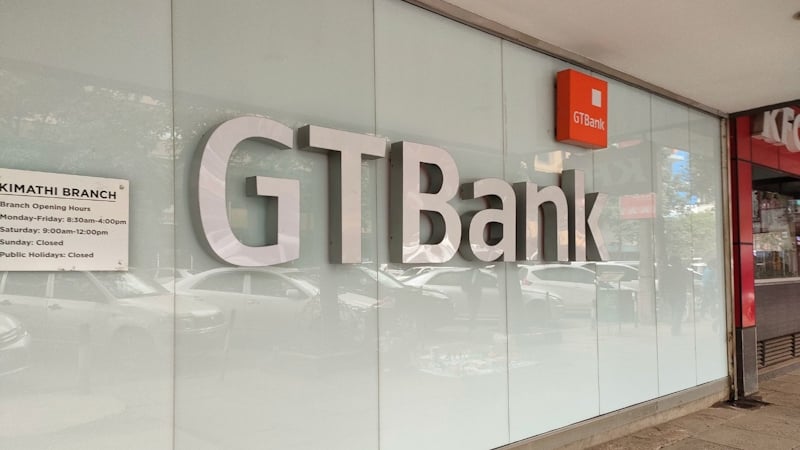
GTBank fights back against a $257K fine from Kenyan regulators in a dispute with client ASL Limited. The Nigerian lender has appealed a ruling by the Competition Authority of Kenya (CAK) that accused it of false statements, misleading actions, and unfair behavior. GTBank says the decision twists the facts and ignores the evidence from their investigation.
On Tuesday, GTBank filed the appeal. It argues that the CAK got it wrong. The bank insists its handling of the deal with ASL followed all contract rules and banking laws. “The decision to appeal reflects the Bank’s view that the Authority’s findings are not supported by the facts and evidence presented during the investigation,” GTBank stated. The lender stresses its strong commitment to treating customers fairly. It expects the tribunal to review everything carefully.
Read Also: GTBank Hit with $257,000 Penalty in Kenya Over Client Agreement Violation
The CAK, however, saw things differently. It ruled that GTBank’s timing, communications, and use of power during the loan renewal and default process broke fair market rules. Besides the $257,000 fine (KSh33.18 million), the authority ordered GTBank Kenya to repay $102,000 (KSh13.21 million) in fees it called improper. These fees came from charges on unapproved loans and backdated default interest.
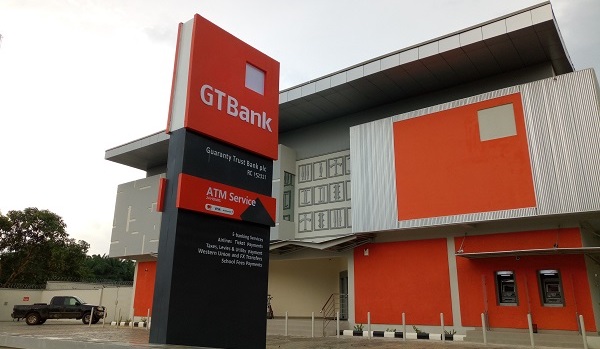
GTBank defends itself firmly. It claims every step in its relationship with ASL matched the signed agreements and legal standards. With the case now before a tribunal, the bank has stopped talking more. It wants to avoid any risk of swaying the outcome or breaking court rules.
The trouble began in October 2024 when ASL complained about how GTBank managed and renewed its credit facilities. ASL had loans backed by company assets and personal guarantees from its directors. These were due to end in May 2022. In January 2022, ASL asked for a renewal, right on time as per the rules.
But GTBank did not agree quickly, even after months of talks. Things dragged on until June 2023. Then, the bank offered just a three-month extension. It demanded extra security and changed key terms. For example, it cut the trading line from $5.5 million to $3.5 million. It also kept some collateral that ASL had already cleared.
The situation worsened. GTBank sent a new offer letter with even smaller loan limits. In October 2023, it hit ASL with a default notice. On top of that, the bank charged KSh13.2 million in default interest, which ASL says was backdated to August 2023 without warning.
To keep its business running and allow a smooth takeover, ASL paid off big debts. It cleared a KSh417.8 million overdraft and $197,802. GTBank later offered to return KSh2.8 million as a goodwill move. ASL turned it down and pushed for a full refund.
After a 16-month probe, the CAK laid out its findings. It said GTBank charged fees on loans it never approved. The bank misled ASL about the true status of its accounts. It backdated interest charges without telling the client. Worst of all, it slipped in changed loan terms during what should have been a simple renewal.
Read Next: Stripe Wants to Buy PayPal After Getting Nigeria’s Paystack
This case highlights tensions in Kenya’s banking sector. Lenders like GTBank face growing scrutiny over how they handle loan renewals and defaults. Customers accuse banks of using their power unfairly, while banks point to contract fine print. For now, the tribunal will decide if the fine stands or if GTBank walks away clear.
ASL’s fight shows small firms can challenge big banks. The outcome could set rules for future deals across East Africa. GTBank, a major player from Nigeria, operates widely in the region. It must balance growth with clean practices to keep trust.
Was this information useful? Drop a nice comment below. You can also check out other useful contents by following us on X/Twitter @siliconafritech, Instagram @Siliconafricatech, or Facebook @SiliconAfrica.