Physical Address
60 Ekwema Cres, Layout 460281, Imo
Physical Address
60 Ekwema Cres, Layout 460281, Imo

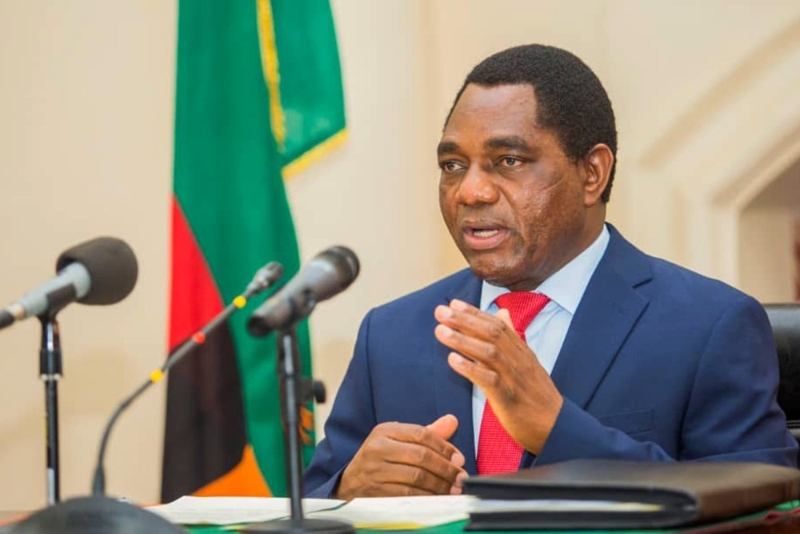
Zambia’s President Hakainde Hichilema has strongly defended the country’s new cybercrime laws, even as critics raise concerns about threats to free speech. The Cyber Security Act and Cyber Crimes Act came into effect in 2025. These laws have sparked backlash from opposition groups. They argue the rules aim to silence critics and allow too much government spying on ordinary people.
In a recent speech to Parliament, ahead of this weekend’s events, President Hichilema pushed back against the complaints. He pointed out that some individuals are misusing social media platforms. They spread fake news, misinformation, disinformation, and hate speech. The president highlighted how these platforms have become tools for cybercrime and harassment. This bad behavior hurts everyday Zambians and weakens the good side of social media.
Read Next: Nigerian Banks Clear N300 Billion USSD Debt to MTN, Airtel, Glo, and Others
Hichilema acknowledged the many benefits of digital tools. He said social media has created huge opportunities for innovation, starting businesses, self-expression, and sharing information. “Social media has opened new doors for our citizens, particularly young people, to innovate, conduct business and share ideas,” the president stated during his address.
Despite these positives, the flaws cannot be ignored. Hichilema explained that the government is updating its laws to tackle these problems. The goal is to protect people from harmful actions online, like cybercrime, while still respecting basic rights and freedoms. “We are reforming our laws to protect the public from abuse in the digital space, but we also call upon citizens to ensure that digital platforms are used responsibly and productively,” he added.
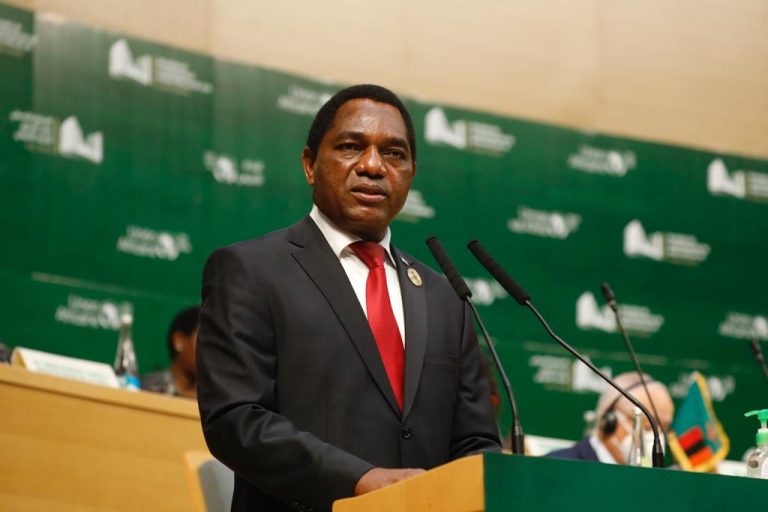
The president praised Zambia’s young people for their role in this digital world. He commended their creativity and drive to start businesses online. “The government remains inspired by the positive use of digital platforms to drive innovation and economic growth,” Hichilema said. This support shows the administration’s commitment to fostering a safe yet vibrant online environment.
Zambia’s move comes at a time when many African countries are grappling with similar issues. Social media has exploded in popularity across the continent, connecting millions but also amplifying risks. In Zambia, platforms like Facebook, Twitter (now X), and WhatsApp are central to daily life, news sharing, and activism. However, incidents of online bullying, false rumors about elections, and tribal hate speech have risen sharply.
Opponents of the laws, including human rights groups, worry about vague definitions. Terms like “misinformation” could be used to target journalists or activists. They fear arrests and fines will chill free debate, especially ahead of future elections. Some point to past cases where opposition figures faced charges under similar rules.
Hichilema’s government insists the laws strike a balance. They aim to build trust in digital spaces without overreach. Enforcement will focus on clear crimes, like hacking or threats, not opinions. The president urged everyone to use the internet wisely, turning it into a force for good rather than harm.
Read Next: Lagos Betting Rule 5% Tax on Winnings Need NIN to Get Paid
This debate highlights broader challenges in Africa’s tech landscape. Nations like Kenya, Nigeria, and South Africa have passed their own cyber laws recently. These address rising cyber threats, from scams to data breaches in fintech sectors. Zambia’s fintech boom, with mobile money apps booming, makes strong protections essential. Yet, balancing security and rights remains tricky.
As Zambia moves forward, Hichilema’s words signal a call to action. Citizens must embrace responsibility online. The youth, often leading startups and content creation, hold the key. By curbing abuse, Zambia hopes to unlock more growth from its digital economy. The laws may evolve with public input, ensuring they serve all Zambians.
President Hichilema ended on an optimistic note. He sees social media as a powerhouse for progress if handled right. With reforms in place, Zambia aims to lead in safe, innovative online use across Africa.
Was this information useful? Drop a nice comment below. You can also check out other useful contents by following us on X/Twitter @siliconafritech, Instagram @Siliconafricatech, or Facebook @SiliconAfrica.