Physical Address
60 Ekwema Cres, Layout 460281, Imo
Physical Address
60 Ekwema Cres, Layout 460281, Imo

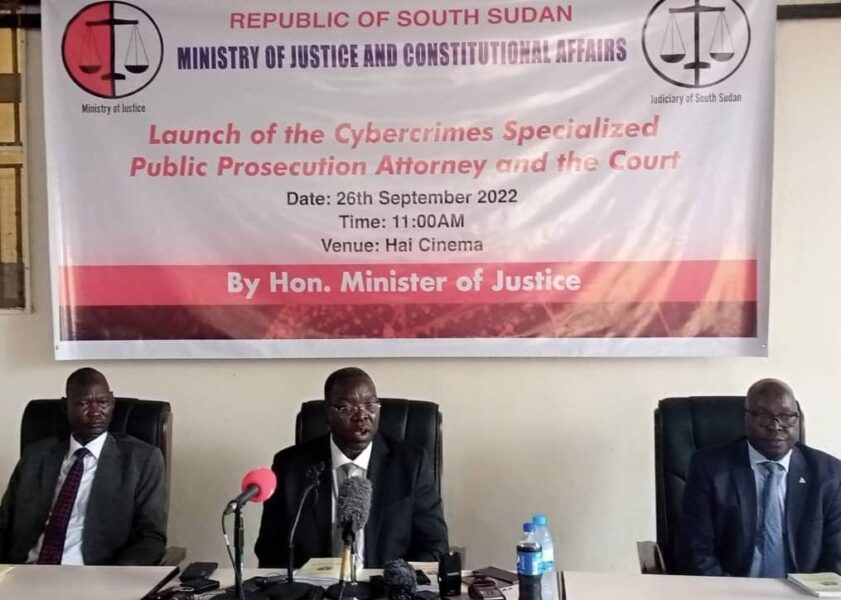
South Sudan has made a big move to fight cybercrime and online hate speech. President Salva Kiir Mayardit has signed the Cyber Crime and Computer Misuse Act into law. This is a major step for the country. It is the first full set of rules to tackle these problems. The president signed it along with two other laws: the Southern Sudan Audit Chamber (Amendment) Act and the Wildlife Conservation and Protected Areas Act.
The Minister of Information, Ateny Wek Ateny, shared the news late on Wednesday. He explained what the new law does. “The Cyber-Crime and Computer Misuse Act will help provide for offences relating to computer systems,” he said. “It will enable timely and effective detection, prohibition, prevention, investigation and prosecution of computer and cyber-crimes.”
Read Next: MTN and IHS Towers Strike a $6.2 Billion Merger Deal
This law targets many dangerous online activities. It makes hacking a crime. Hacking means breaking into someone else’s computer or system without permission. Phishing is also banned. That is when bad people trick you into giving personal details like passwords or bank information. SIM-swap fraud is now illegal too. This happens when criminals take over your phone number by swapping it to their SIM card.
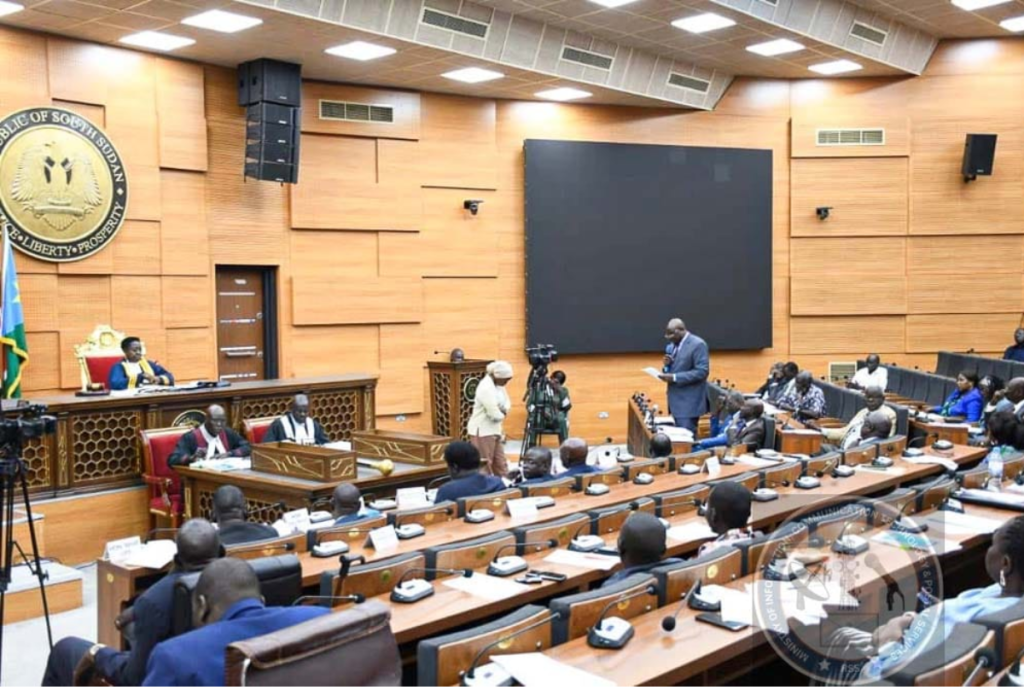
The law helps make South Sudan’s cyber security stronger. It protects important parts of the country, like power grids, banks, and government systems. These are called critical infrastructure. Now, people must report cyber incidents any time of day or night. This quick reporting will help stop problems fast.
Other banned actions include unauthorised access to systems. That means no one can enter computers or networks they do not own. Cyber espionage is outlawed. This is spying using computers to steal secrets. The law also stops people from spreading false information online. It fights hate speech that can cause harm or division.
Punishments are strict to scare off criminals. Offenders can go to prison for two to 20 years. Courts can also fine them up to $7,700. These tough penalties aim to keep the internet safe for everyone.
A key part of the law is creating a new national cybercrime department. It will sit inside the Ministry of Justice. This team will handle investigations, arrests, and court cases. They will work around the clock to catch cyber criminals.
This act comes at a time when cyber threats are growing across Africa. Many countries face more hacking and online scams. In South Sudan, people use phones and the internet more each day for banking, news, and chatting. But with that growth comes risks. Fraudsters target everyday users. Businesses lose money from data theft. Government services can shut down from attacks.
The new law fills a big gap. Before this, South Sudan had no clear rules for cybercrimes. Police struggled to investigate or prosecute. Now, they have tools to act. The cybercrime department will train officers and buy better tech. It will team up with other countries to track international criminals.
Experts say this could boost trust in digital services. More people might use online banking or e-government without fear. Businesses could grow faster with safer internet. But some worry about free speech. They fear the rules on false information might limit honest talk. The government says the law targets real crimes, not opinions.
President Kiir’s signature shows commitment to modern challenges. Signing three laws at once covers audit improvements, wildlife protection, and now cyber safety. It paints a picture of a nation building stronger systems.
Read Next: Zenith Bank Warns About Fake Wealth Bridge Videos Impersonating Chairman Jim Ovia
For South Sudanese, this means safer online lives. Report suspicious activity quickly. Use strong passwords. Avoid clicking strange links. The law protects you, but staying careful helps too.
This act is a game-changer. It puts South Sudan on the map for cyber defense. As Africa pushes digital growth, laws like this keep pace. The fight against cybercrime has just begun.
Was this information useful? Drop a nice comment below. You can also check out other useful contents by following us on X/Twitter @siliconafritech, Instagram @Siliconafricatech, or Facebook @SiliconAfrica.