Physical Address
60 Ekwema Cres, Layout 460281, Imo
Physical Address
60 Ekwema Cres, Layout 460281, Imo

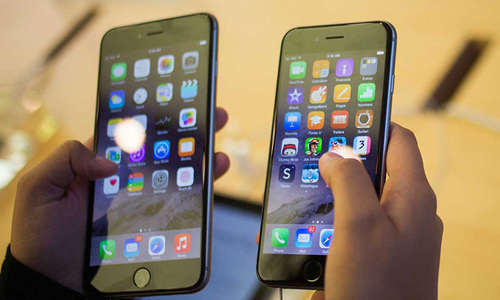
Nigerian internet subscribers smashed a new record in December 2025, consuming a whopping 1.38 million terabytes of data. This marks the highest monthly usage ever recorded in the country. The surge highlights the booming demand for data services and the rapid rise in smartphone use across Nigeria.
Fresh data from the Nigerian Communications Commission (NCC) shows this impressive jump. Usage climbed by 12.4% from 1.236 million terabytes in November to 1.386 million terabytes in December. Looking back at the full year, 2025 saw data consumption soar by 42.4% year-on-year, up from 973.5 thousand terabytes the previous period. This growth reflects how Nigerians are embracing digital life more than ever, as seen in the country’s resilient telecom sector contributing strongly to the economy.
Read Next: Netflix and Warner Bros. to Face Skeptical Panel Over Merger Deal
Smartphones are at the heart of this explosion. More people now own these devices, driving up consumption of social media, streaming videos, and online banking. Digital financial services are spreading fast, helping more Nigerians join the formal economy. As smartphone numbers grow, so does the hunger for data-rich apps and content.
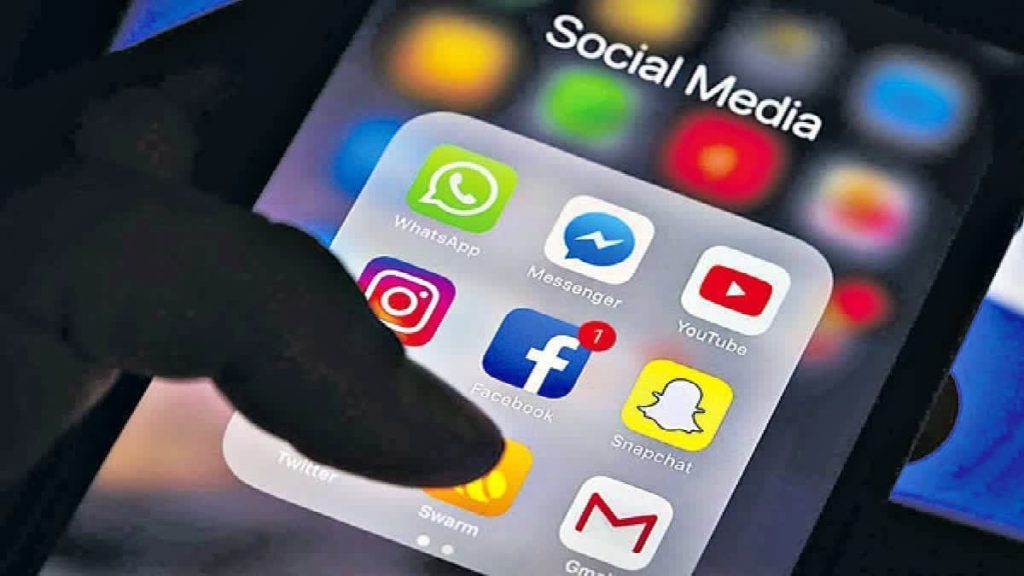
Major telecom giants are feeling the impact. Airtel reported strong numbers for the nine months ending December 2025. Data use per customer rose 26.2% to 10.7 GB per month, from 8.4 GB before. Smartphone penetration climbed 4.6% to 54.1%, with those users averaging 13.4 GB monthly, up from 11.2 GB.
MTN shared similar success. In its first nine months of 2025, active data users grew 12.8% to 51.1 million. Overall data traffic jumped 36.3%, and average use per user hit 13.2 GB monthly, a 20.8% increase. Smartphone penetration reached 65.1%, opening doors to better services like high-quality video calls and apps.
The subscriber base is expanding too. Nigeria now has 148.2 million internet users, up 2.3% from 144.8 million in November. Most, 147.5 million, and connect via mobile networks. Others use ISP at 313,713, Voice over IP at 232,284, and fixed wired lines at 101,667. This means 82.5% of telecom subscribers can go online. On average, each internet user consumed 9.36 GB of data in December.
But it’s not all smooth sailing. Many Nigerians faced slow speeds and dropped calls in 2025, causing daily frustrations. These issues disrupt work, learning, and entertainment for millions.
Read Next: PayPal Appoints HP’s Enrique Lores as New CEO
Network trends tell a clear story. 4G leads the pack, ending 2025 with a 52.95% market share, up from 47.23% at the start of the year. It overtook 2G, which fell to 37.37% from 41.36%. 3G holds just 5.91%. 4G’s rise, up 111.3% from 25.06% in May 2023, powers faster internet. nPerf data backs this: average mobile download speeds doubled from 7.1 Mbps in Q1 2023 to 14.7 Mbps by Q4 2025. Social media addiction and more smartphones fuel this shift.
5G, however, trails far behind at 3.77% market share, though up from 2.54% in January. It promises blazing speeds and tiny delays, but rollout stalls due to tough infrastructure demands. Many Nigerians now own 5G phones as prices drop, yet coverage remains spotty. Operators grapple with building the needed towers and fibers.
This record data use signals Nigeria’s digital boom. Smartphones and 4G are transforming lives, from banking on the go to streaming favorite shows. Yet challenges like poor speeds and limited 5G remind us there’s work ahead. As internet users hit 148 million, telcos must invest in better networks to keep up. The future looks data-hungry, with Nigerians leading Africa’s charge into a connected world.
Was this information useful? Drop a nice comment below. You can also check out other useful contents by following us on X/Twitter @siliconafritech, Instagram @Siliconafricatech, or Facebook @SiliconAfrica.