Physical Address
60 Ekwema Cres, Layout 460281, Imo
Physical Address
60 Ekwema Cres, Layout 460281, Imo

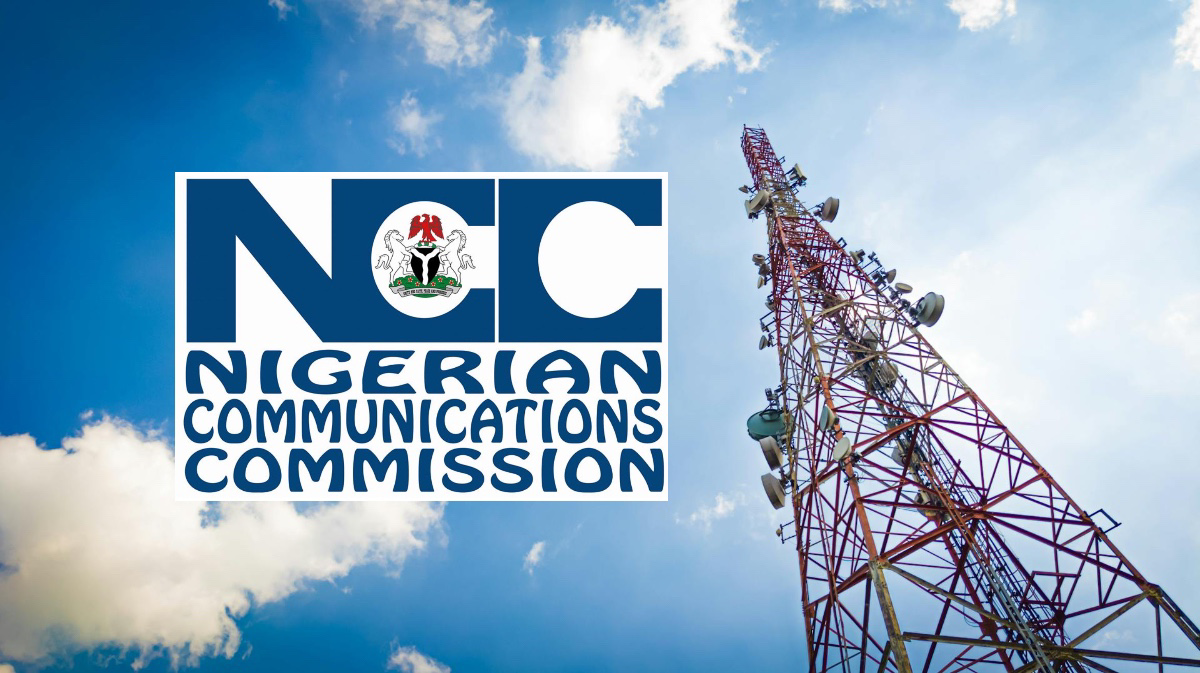
The Nigerian Communications Commission (NCC) has introduced a new rule that makes it easier for fresh telecom companies to test their services. NCC sets ₦250,000 approval fee for new telcos to run service trials, as stated in the General Authorisation Framework document. This means startups or big firms wanting to try out new ideas must pay an administrative fee of N250,000 along with their application.
This move comes after NCC announced a new licensing framework last year. The goal is to boost innovation and give more chances to startups and tech-driven businesses in Nigeria’s telecom sector. Before this, getting a full license was tough and costly, which scared away many new players. Now, the framework creates a safe space for these companies to show if their ideas work, check risks, and prove they can deliver good service to customers.
Read Next: MTN and Airtel Lose $7M in Uganda After Social Media Access Finally Restored
Under the rules, new telcos can run tests in a controlled setup called a sandbox. They don’t need a full license right away. Instead, they get permission to trial their services with real customers in limited areas. This helps them see how their tech performs in the market before a big launch. It also lets NCC watch closely and decide if these companies deserve a proper license later.

To apply, companies submit the N250,000 fee with their paperwork. They also pay extra for spectrum (the airwaves they use for signals) and numbering (phone numbers). The document spells this out clearly. Once approved, trials happen under NCC’s strict watch in real-world spots, but only with about 10,000 users in set locations.
The testing period starts at three months and can stretch to six months with one renewal. No more than nine months total, though. During this time, new telcos must send monthly reports to NCC. This keeps everything transparent and safe.
The framework covers exciting tools like Proof-of-Concept pilots. These let companies test brand-new solutions, such as Open RAN (a cheaper way to build networks) or sharing spectrum. There’s also an Interim Service Authorisation for ideas that don’t fit old license types. It’s all about flexibility in a fast-changing industry.
Dr. Aminu Maida, NCC’s Executive Vice Chairman, launched the draft in July. He said Nigeria is at a key moment where rules must support new ideas, not block them. “We are now at a turning point where the nature of innovation demands a regulatory paradigm that is not only responsive but enabling,” Maida explained. The setup protects customers’ rights and the public’s interest while sparking creativity.
Not every idea gets approved. Services must be truly new or unique. Applicants explain why old rules don’t fit and share strong plans to shield users and the market. NCC might skip some rules temporarily, but consumer protection and data privacy rules stay firm. No shortcuts there.
Success in trials doesn’t guarantee a full license. It’s just a step. NCC reviews everything before deciding. This keeps standards high and weeds out weak players.
For Nigeria’s telecom world, this is big news. The sector already powers fintech, mobile money, and internet access for millions. With more startups joining, competition grows, prices may drop, and services improve. Think faster internet in rural areas or smarter apps for daily life. Lagos, Abuja, and other cities could see quicker rollouts of cool tech.
Read Next: SpaceX Targets Mid-March for Debut Test of Upgraded Starship Rocket
Critics might worry about the fee, but N250,000 is low compared to full licenses that cost millions. It’s a smart entry point. Established firms like MTN or Airtel could also use it for side projects.
Overall, NCC’s step shows commitment to growth. By lowering barriers, it pulls in investors and talent. As Nigeria builds its digital economy, this framework positions the country as Africa’s telecom leader. Startups now have a real shot to shine.
Was this information useful? Drop a nice comment below. You can also check out other useful contents by following us on X/Twitter @siliconafritech, Instagram @Siliconafricatech, or Facebook @SiliconAfrica.