Physical Address
60 Ekwema Cres, Layout 460281, Imo
Physical Address
60 Ekwema Cres, Layout 460281, Imo

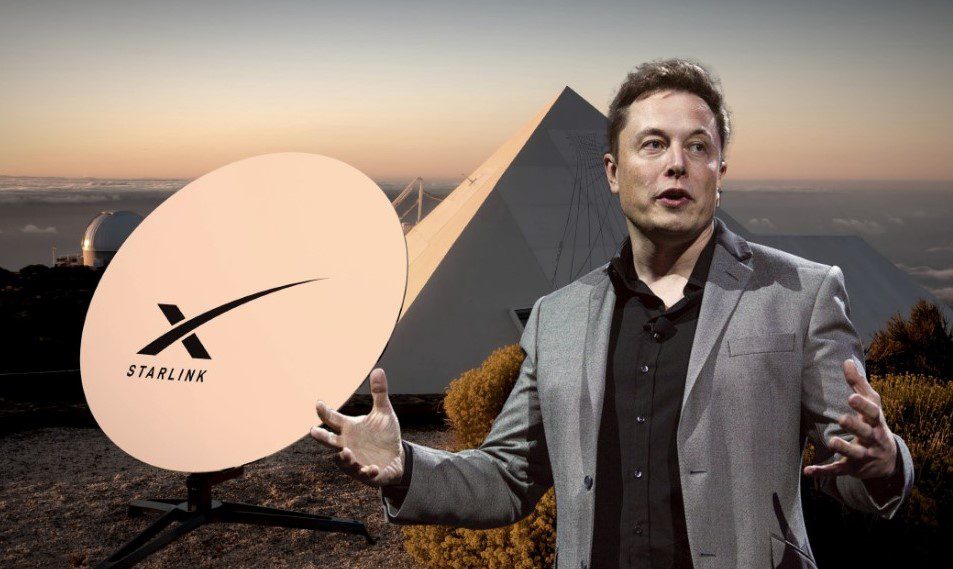
There’s a real storm brewing over Starlink access in South Africa right now, with controversy growing around Starlink access in South Africa as politicians clash over how to let Elon Musk’s satellite internet into the country.
The parliamentary committee that keeps an eye on South Africa’s telecommunications world has demanded the government pull back a policy directive. That directive would let SpaceX and other satellite-internet outfits operate here without handing over any ownership stakes.
Read Next: Nigeria-France Digital Tax Deal Sparks Fierce Data Privacy Clash
Last week, Communications and Digital Technologies Minister Solly Malatsi put out an official notice. He asked the industry regulator to tweak its rules so that equity-equivalent investment programs could count toward empowerment goals. No more strict 30% local Black-ownership requirement.
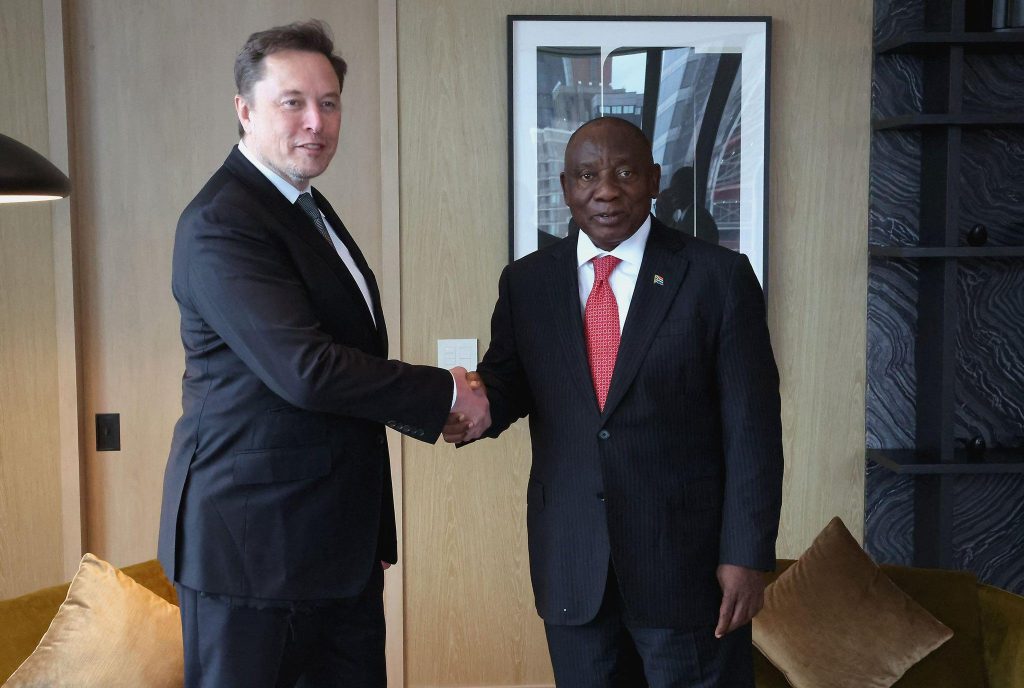
Malatsi said this came after a public consultation where 90% of the submissions backed the idea. Changes like these would clear the path for Musk to roll out Starlink in South Africa, making those services available to folks across the country.
The Pretoria-born billionaire has flat-out refused to give up any equity in his company. He wants no part of South Africa’s rules, which aim to fix the economic damage from apartheid, laws that Musk has labeled “openly racist.”
Khusela Sangoni Diko, the chairwoman of the portfolio committee on communications and digital technologies, fired back hard. She said Malatsi lacks both the “legislative nor moral authority to reverse the gains of democracy through this unilateral action.” In her statement, she called these policy directives “an affront to the centuries-old fight for equity and redress by the Black majority in this country.” She added that they “further unintelligibly obfuscate existing law in a spirited attempt to circumvent the mandatory 30% equity ownership by historically disadvantaged groups.”
Diko mentioned the portfolio committee will meet in the new year to dig into this issue.
When Bloomberg tried to reach Kwena Moloto, the spokesman for the Department of Communications and Digital Technologies, he didn’t pick up the phone for comment.
Malatsi’s move has even split the two big parties in South Africa’s coalition government—the African National Congress and the rival Democratic Alliance. Malatsi belongs to the DA.
The ANC came out strong on December 13, saying they’re “deeply concerned” by the notice. It would let certain operators, especially foreign satellite providers like Starlink, dodge core transformation obligations. “Weakening these obligations does not modernise the sector; it risks reversing hard-won gains and entrenching foreign dominance in a strategic national industry,” they stated.
The DA pushed back on the ANC’s claims that Malatsi overstepped his powers or that the directive lets companies skip empowerment rules. “Instead, it seeks to prevent international companies from being excluded altogether in cases where local ownership is not feasible,” the DA responded.
On the flip side, satellite tech like Starlink, which uses a bunch of low-Earth orbit satellites, could be a total game-changer for South Africans. Many have dealt with pricey or spotty internet for years. A 2023 survey from the nation’s statistics agency shows only 1.7% of rural households have internet access.
Tweaking the rules this way would let telecom companies pour money into stuff like infrastructure, digital-inclusion projects, or research that helps previously disadvantaged communities.
Read Next: 10 Tech Jobs with High Demand in South Africa Right Now
This kind of exemption is already common in other sectors, like South Africa’s auto industry. Back in 2019, big car makers, BMW AG, Ford Motor Co., and Toyota Motor Corp., set up a fund to bring disenfranchised groups into the fold.
As controversy grows around Starlink access in South Africa, it’s clear Starlink in South Africa hangs in the balance, with big questions about balancing tech progress, rural connectivity, and the country’s push for economic fairness.
Was this information useful? Drop a nice comment below. You can also check out other useful contents by following us on X/Twitter @siliconafritech, Instagram @Siliconafricatech, or Facebook @SiliconAfrica.