Physical Address
60 Ekwema Cres, Layout 460281, Imo
Physical Address
60 Ekwema Cres, Layout 460281, Imo

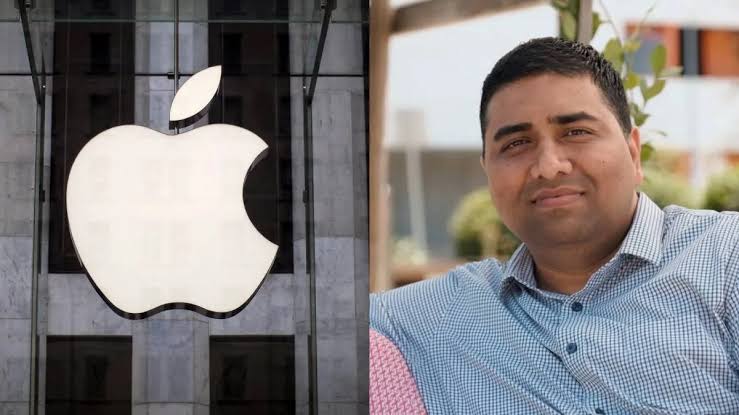
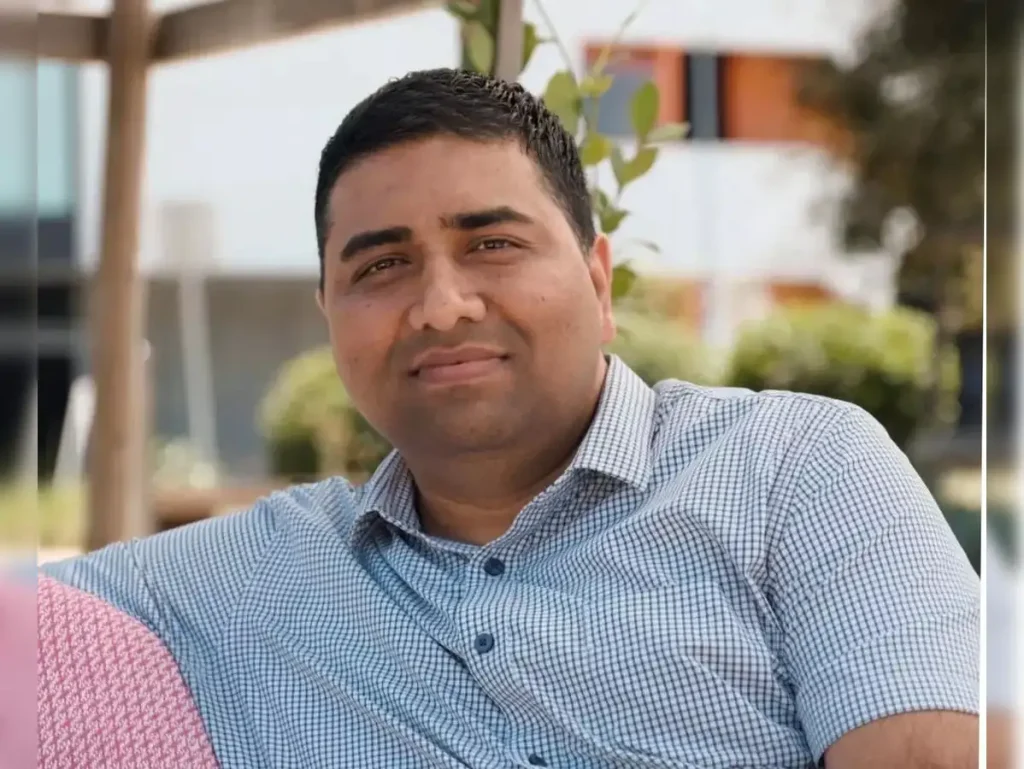
Apple names Amar Subramanya new AI chief, taking over from John Giannandrea, who has led the company’s AI efforts since 2018. In a carefully worded announcement on Monday, Apple said Giannandrea is “stepping down” and will leave the company, though he’ll stick around as an adviser through spring.
The new AI chief, Amar Subramanya, comes from Microsoft and previously spent 16 years at Google. Most recently, he led engineering for the Gemini Assistant at Google, so he’s no stranger to the competition Apple faces. It’s a strategic hire, considering his deep knowledge of rival tech companies and AI development.
Read Next: Amazon’s AI Chatbot Rufus Boosted Sales During Black Friday
This change is being seen as a shake-up at Apple’s AI division, which, looking back, felt inevitable. Apple Intelligence, Apple’s answer to ChatGPT, has struggled since its October 2024 launch. Reviews have ranged from “underwhelming” to downright worrying.
The early months didn’t go well. For example, a feature designed to summarise notifications ended up generating false and embarrassing headlines late last year and early this year. One glaring error involved false information linking Luigi Mangione, accused of killing UnitedHealthcare’s CEO Brian Thompson, to a self-inflicted gunshot, he never actually shot himself. Another mistake was prematurely announcing a darts player’s championship win before the final even happened. The BBC complained twice about these blunders.
Then there was the long-awaited Siri update, which turned into a black eye for Apple. Bloomberg revealed in an investigation published in May that Apple’s AI efforts were in trouble. Just weeks before the planned Siri launch in April, Apple’s software chief Craig Federighi found key features didn’t work on his own phone. The launch was delayed indefinitely, sparking class-action lawsuits from iPhone 16 buyers who had expected an AI-powered assistant.
By that time, John Giannandrea had reportedly been sidelined. Bloomberg said that in March, Apple CEO Tim Cook removed Siri from Giannandrea’s control, handing it over to Mike Rockwell, the creator of Vision Pro. Apple also took its secretive robotics division away from him.
The investigation described a messy situation inside Apple: poor communication between AI and marketing teams, budget problems, and leadership turmoil so bad that some employees mockingly nicknamed Giannandrea’s team “AI/MLess.” The report also documented a wave of AI researchers leaving Apple for competitors like OpenAI, Google, and Meta.
In a twist, Apple is now said to be relying on Google’s Gemini to power the next version of Siri. That’s remarkable given how fiercely Apple and Google have competed for over 15 years across smartphones, app stores, browsers, maps, cloud, smart home devices, and now AI.
Before joining Apple, Giannandrea ran Machine Intelligence and Search at Google. At Apple, he was in charge of AI strategy, Siri, and machine learning infrastructure. Now Amar Subramanya takes up those duties, reporting to Federighi, with a clear mission to help Apple catch up in the AI race.
Apple’s approach to AI has been quite different from its competitors. While Google, Microsoft, and others have poured billions into massive AI data centers, Apple focuses on running AI tasks right on users’ devices, using its own Apple Silicon chips. This privacy-first tactic avoids gathering user data, relying instead on on-device processing. For more complex requests needing cloud help, Apple uses Private Cloud Compute servers that process data temporarily and then delete it immediately.
Read Next: South Sudan Addresses Excessive Fees Imposed by Mobile and Internet Service Providers
Whether this privacy-focused method will pay off or leave Apple permanently behind is still uncertain. Running AI on devices means smaller, less powerful models compared to the huge models competitors run in cloud data centers. Plus, Apple’s cautious stance on data collection means its AI researchers mostly train models on licensed or synthetic data, rather than the enormous amounts of real-world data that fuel rivals’ systems.
So, Apple naming Amar Subramanya new AI chief is a big moment. It signals a fresh start, a push to reinvigorate Apple’s AI efforts, and a hope to close the gap with competitors. How Subramanya will reshape Apple’s AI strategy and whether the company’s privacy-first, on-device approach will get a second wind remains to be seen.
Was this information useful? Drop a nice comment below. You can also check out other useful contents by following us on X/Twitter @siliconafritech, Instagram @Siliconafricatech, or Facebook @SiliconAfrica.