Physical Address
60 Ekwema Cres, Layout 460281, Imo
Physical Address
60 Ekwema Cres, Layout 460281, Imo

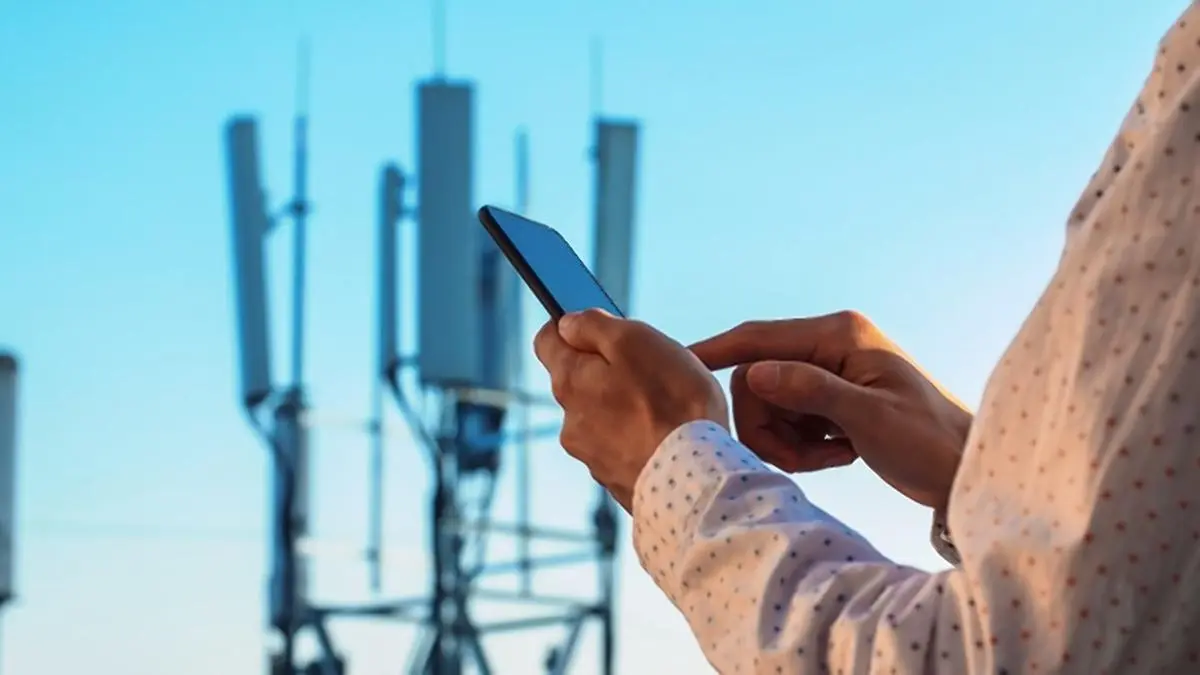
Exactly one year ago, on January 20, 2025, the Nigerian Communications Commission (NCC) approved a big 50 per cent increase in telecom tariffs. This telco tariff hike was meant to help the industry survive tough times like high inflation, a weak naira, and rising diesel costs. Officials called it a “sustainability intervention.” In return, mobile network operators (MNOs) promised much better service quality. But today, millions of Nigerians are angry. The telco tariff hike boosts operators’ profits, yet it fuels consumer anger because services remain poor.
The changes hit hard. Call prices jumped from N6.40 to N9.6 per minute at the low end, and up to N50 at the high end. SMS costs rose from N4 to N6. One gigabyte of data now costs N431.25, up from N287.5. Subscribers pay more but still face the same old problems: dropped calls, one-way audio, and unreliable connections.
Read Next: Malawi’s Automated Water Machine Expands Operations into Uganda
Operators are doing well financially. The telco tariff hike boosts operators’ profits clearly. MTN Nigeria earned N3.7 trillion in the first nine months of 2025, with profits of N750.2 billion after tax. They even paid an interim dividend. Airtel saw revenue hit $699 million (N527.81 billion) in the same period, with $376 million in profit, thanks to tariff hikes and more data use. Together, MTN and Airtel made N5.16 trillion ($3.63 billion) in nine months, 50 per cent more than the N3.44 trillion from 2024. Globacom and 9mobile do not share details as private firms.

They invested heavily too. Operators spent $1 billion last year, with MTN alone putting in over N560 billion on infrastructure. Broadband users grew to 109.6 million by December 2025, up from 96.3 million, pushing penetration to 50.58 per cent. But the latest NCC Quality of Experience report shows little improvement. Networks are still congested on 4G and 3G, while 5G stays limited to rich urban areas.
Consumers feel cheated. The telco tariff hike fuels consumer anger daily. Social media buzzes with complaints about fast data depletion. Operators blame 5G speeds, but people say billing lacks clarity. Tunde Adeoye, a digital entrepreneur in Yaba, told The Guardian: “Last year, I spent N5,000 monthly on data. Now it’s N8,000 for the same amount, and I still climb my balcony for clear WhatsApp calls. Only my credit vanishes faster.”
Deolu Ogunbanjo, President of the National Association of Telecoms Subscribers (NATCOM), agrees. He said hopes for better service after the telco tariff hike were dashed. “There is no real quality without solid telephony everywhere,” he added. The sector is key to Nigeria’s economy as the backbone of ICT.
Why no fix despite the money? Experts point to vandalism and costs. Telecom expert Kehinde Aluko explained: “The tariff hike solved cash flow but not security. In 2025, there were over 19,000 fibre cuts and thefts. They build by day; vandals strike at night.” Diesel for base stations drains funds amid grid failures. NCC reported 40,000 disruptions last year, including 19,384 fibre cuts, 3,241 thefts, and 19,000 site access denials.
Read Next: Kenyan Government to Hire Social Media Influencers for Official Communication Campaigns
Patience is gone. NCC’s Executive Vice Chairman, Aminu Maida, admits services are not optimal. He promises 2026 brings enforcement. Operators must expand sites, cut outages, simplify tariffs, and communicate better. NCC will monitor QoS strictly, protect consumers from poor billing, and demand compliance.
ATCON President Tony Emoekpere sees hope. He calls 2025 a year of survival amid energy and forex woes. Operators shifted to solar and focused on key areas. For 2026, he urges protecting telecom as critical infrastructure, easing taxes, and boosting data centres for AI and fintech.
The telco tariff hike era shifts focus. Money flows, but services must match. Nigerians demand networks that work, not just promises.
Was this information useful? Drop a nice comment below. You can also check out other useful contents by following us on X/Twitter @siliconafritech, Instagram @Siliconafricatech, or Facebook @SiliconAfrica.