Physical Address
60 Ekwema Cres, Layout 460281, Imo
Physical Address
60 Ekwema Cres, Layout 460281, Imo


Pan-African e-commerce leader Jumia has left its tough survival days behind. The company shared strong fourth-quarter 2025 earnings that show real progress. CEO Francis Dufay says Jumia is now stepping into a time of fast growth after years of fixing its operations.
Founded in Lagos, Nigeria, in 2012, Jumia runs a marketplace platform, logistics network, and digital payments service across major African countries. People often call it the “Amazon of Africa.” For a long time, it faced big losses. To turn things around, Jumia made smart changes. It left markets like South Africa, Tunisia, and now Algeria. The company also cut extra services, reduced staff, and used AI tools to work better and save money.
Read Next: Nigeria Faces 4,701 Weekly Cyberattacks, Tops Africa in Threats
In Q4 2025, results proved the plan is working. Gross Merchandise Value, or GMV, which measures total sales value on the platform, grew 36% from last year to $279.5 million. Revenue climbed 34% to $61.4 million. Adjusted EBITDA losses dropped almost in half to $7.3 million. Cash burn got much smaller too. These numbers mean Jumia’s main business is getting stronger.
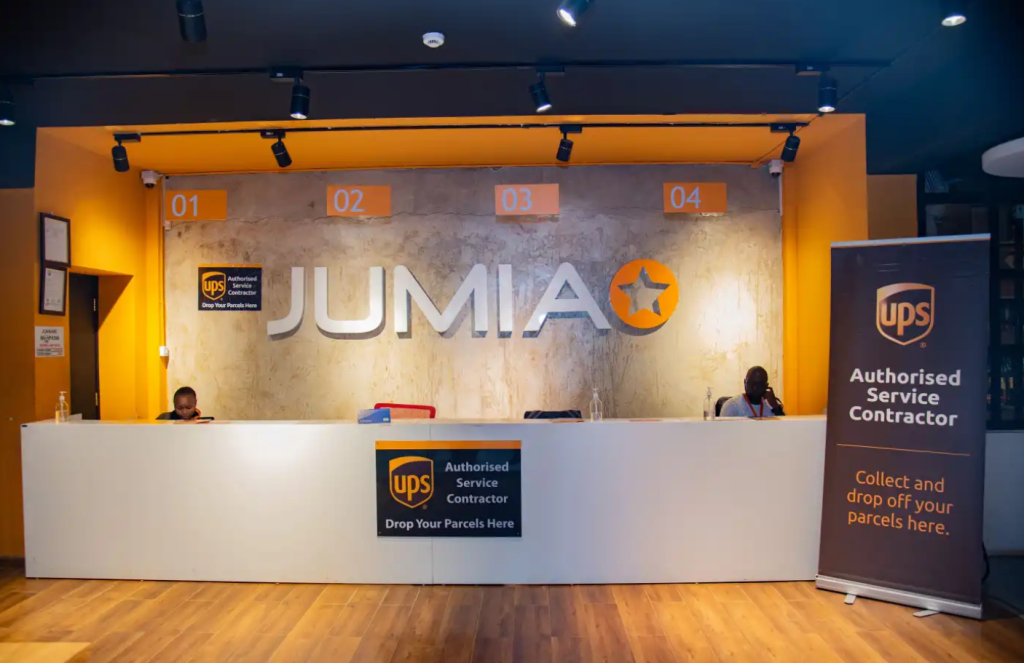
“The growth rate of the company has been accelerating. We are really scaling. Demand has always been there in our markets. What’s changing is our execution,” Dufay said.
Nigeria drove much of the success with 50% GMV growth. Ghana saw triple-digit jumps in physical goods sales. Egypt got steady after issues with currency changes and corporate sales problems. Dufay called this a clear sign of recovery.
Jumia focuses on tighter management, cost control, and picking the right countries to grow. Competition is fierce from Chinese fast-commerce apps like Temu and Shein. They push prices down hard. But Dufay says Jumia can compete. The company uses its strong logistics in Africa, payment-on-delivery options, and new sourcing from China to stay in the fight.
“People thought they would eat our lunch. But we can fight against those platforms in our markets,” he added.
To keep customers coming back, Jumia added rural pickup points and Buy Now, Pay Later deals. These boost repeat orders. Partnerships with international sellers also help grow revenue.
Dufay highlighted how operational fixes are key. The company built better execution after years of restructuring. Now, it’s time to grow what works.
Read Next: Cell C Hits $352 Million Revenue in Debut JSE-Listed Earnings Report
Looking to 2026, Jumia expects GMV to rise by up to 32%. The big goal is to hit adjusted EBITDA breakeven by the end of the year. “This business has changed. It’s clear in the numbers that profitability is within reach, and now the focus is scaling what works,” Dufay stated.
He sees this as proof that Africa’s e-commerce market is growing up. Success will come from smart growth, local know-how, and top-notch logistics. Jumia’s story shows how discipline pays off in a tough sector.
These steps put Jumia on a solid path. Investors and watchers in Africa’s tech space will keep a close eye. With demand strong and operations sharper, the company could lead the next wave of online shopping on the continent.
Was this information useful? Drop a nice comment below. You can also check out other useful contents by following us on X/Twitter @siliconafritech, Instagram @Siliconafricatech, or Facebook @SiliconAfrica.