Physical Address
60 Ekwema Cres, Layout 460281, Imo
Physical Address
60 Ekwema Cres, Layout 460281, Imo

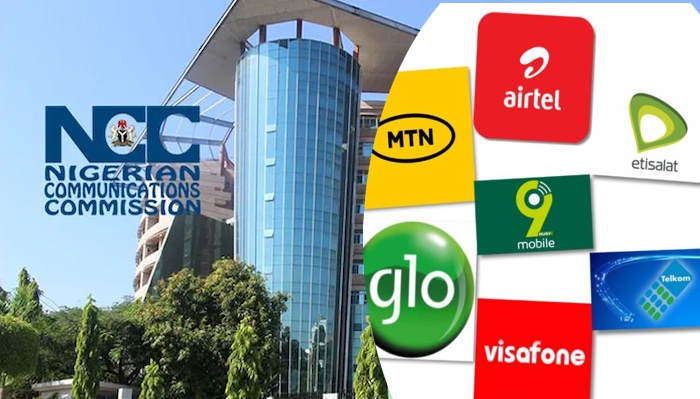
One year ago, on January 20, 2025, the Nigerian Communications Commission (NCC) approved a 50% increase in telecom tariffs. This came after months of delays. Many Nigerians were already facing tough economic times, like high inflation and rising costs. Telecom companies said the hike was needed to cover growing expenses and build better networks. But people wondered: would they get better service for the extra money? At that time, broadband reached only 45.61% of Nigerians.
Gbenga Adebayo, Chairman of the Association of Licensed Telecommunications Operators of Nigeria (ALTON), called the hike essential. He said the sector struggled to recover investments, making it hard to stay sustainable long-term. Soon after, big operators like MTN, Airtel, and Globacom raised prices. Voice calls went up from N11 per minute to N15.40-N16.50 per minute. Globacom charged 22 kobo per second, up from 11 kobo. MTN’s Pulse bundle rose from N7.8 per minute (13k/sec) to N13.8 (23k/sec), and SMS jumped from N4 to N6. Airtel increased calls from 18 kobo to 25 kobo per second.
Read Next: GoCab Secures $45 Million Funding Boost to Scale Drive-to-Own Model Across Africa
The hike boosted revenues for telecom firms. MTN Nigeria’s annual report showed active data users grew 12.8% to 51.1 million. Data traffic rose 36.3%, and average use per user hit 13.2 GB monthly, up 20.8%. Airtel Nigeria’s first-half 2025 report was even stronger. Voice revenue climbed 34.7% to $268 million, thanks to 25.7% higher average revenue per user. Data revenue surged 62.4% to $357 million from $229 million, driven by more customers and 46.6% data ARPU growth.
Nigerians kept using the internet more despite higher prices. NCC data showed monthly usage jumped from over 983,000 terabytes in April 2025 to 1.2 million terabytes in November. But for average users, costs hurt. Students and workers spent more on data. Abayomi, a 300-level Civil Engineering student at the University of Ibadan, said online lectures forced him to use nearly 50% of his allowance on data. It drained fast from YouTube tutorials. A Technext report captured similar struggles across society. The Alliance for Affordable Internet noted Nigerians spend 4.8% of monthly income on 1GB of data, double the UN’s 2% limit.
Subscribers wanted clear data plans and real quality improvements. Adeolu Ogunbanjo, President of the National Association of Telecoms Subscribers (NATCOMS), said in May 2025: “Only improved service quality will justify the price hike.” Many called it “anti-poor” as network issues persisted.
Service quality shows mixed results. Broadband penetration hit 50.58% in November 2025, crossing 50% for the first time. But it’s below the 70% goal in the National Broadband Plan 2020-2025. Projects like the 90,000 km fibre-optic backbone (Project Bridge) and 2,800 new towers aim to help. Rural networks improved too. NCC’s Q4 2025 Quality of Experience report showed rural download speeds at 11.0 Mbps, up from 8.5 Mbps a year earlier. T2mobile (formerly 9mobile) led with 24.9 Mbps in rural areas, beating city speeds of 18.5 Mbps.
Read Next: Canva Increases Pro Plan Price by nearly 100%, Rolls Out Daily and Weekly Subscriptions
However, 5G lags badly. Nigeria has a 55% 5G coverage gap. Even Lagos and Abuja only reach 27% and 31%. Just 6.3 million people (3.6%) use 5G.
Looking ahead, protecting towers from disruptions and boosting infrastructure will define 2026. Figures show quality gains have not fully reached everyday users yet. On a bright note, NCC boss Dr. Aminu Maida promised in his New Year’s address to focus on Quality of Service monitoring, better voice clarity, and steady data speeds. Nigerians can hope for real improvements this year.
Was this information useful? Drop a nice comment below. You can also check out other useful contents by following us on X/Twitter @siliconafritech, Instagram @Siliconafricatech, or Facebook @SiliconAfrica.