Physical Address
60 Ekwema Cres, Layout 460281, Imo
Physical Address
60 Ekwema Cres, Layout 460281, Imo


Mobile money fraud has been a big problem in Ghana lately, with scammers getting smarter about how they steal from people. One of the major tricks fraudsters use is SIM swapping. According to the Economic Organized Crime Office (EOCO), these criminals often fake Ghana cards to get duplicate SIM cards. Once they have a duplicate SIM, they hijack people’s mobile money accounts and drain their funds.
To fight back, Ghana is planning something new and smart: linking SIM cards to the actual mobile phones they are used in. This means every SIM card will be registered alongside the phone’s unique identity number, called the IMEI, through a system called the Central Equipment Identity Register, or CEIR. This is what people call the “Ghana plans SIM to IMEI link” initiative, and it’s aimed squarely at stopping mobile money fraud.
Read Next: Uber Could Introduce Electric Bikes in South Africa, Two Years After Launching Them in Kenya
Samuel Nartey George, the Minister for Communication, Digital Technology, and Innovation, explained this idea during a TV3 interview on December 3, 2025. He said the government will now block both the SIM card and the physical phone if a phone number is flagged for fraud. This makes it much harder for fraudsters to keep stealing because blocking just the SIM was too easy to get around.
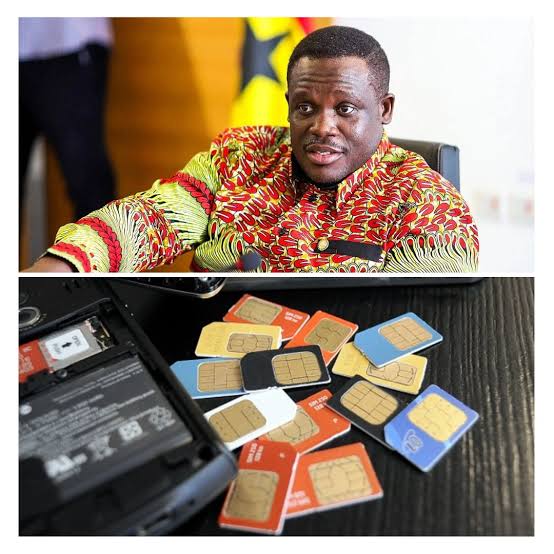
He put it simply: “People are using SIM cards these days for things that are illegal, so we are going to be registering the SIM cards with the phones as well because we need to deal with mobile money fraud.” Adding to that, he said it costs only 10 Ghana cedis to get a new SIM card now, so fraudsters don’t hesitate to replace blocked SIMs. But when the SIM and phone are blocked together, it becomes much more expensive and difficult for them to continue fraud.
This SIM to IMEI link aims to clamp down hard on fraudsters by tying every SIM to a phone registered in the CEIR. Plus, it links SIM registration to biometric verification via the National Identification Authority’s database. This way, only legitimate users can register SIM cards, making it tougher for the criminals to get duplicates or fake SIMs.
The CEIR system also helps track stolen or fake phones. If a device is reported stolen, it can be flagged, making it useless for fraud. By combining this with biometric SIM registration, Ghana hopes to bring more trust into digital financial services, improve how transactions are traced, and slash the risks of cybercrime.
Read Next: Nigeria’s Telecom sector shows resilience as GDP contribution rises to 9.1%
The government’s push to stop mobile money fraud has been urgent. Back in 2023, the Bank of Ghana reported over 13,000 cases of financial fraud, with one in five related to mobile money scams. This new policy linking SIM cards to devices and biometric data is a key step forward in building a safer digital world for all Ghanaians.
Ghana plans SIM to IMEI link to solve mobile fraud not just as a technical fix but as a serious move to protect people’s money and bring criminals to a halt. This initiative shows how seriously Ghana is taking digital security and the fight against mobile money theft.
Was this information useful? Drop a nice comment below. You can also check out other useful contents by following us on X/Twitter @siliconafritech, Instagram @Siliconafricatech, or Facebook @SiliconAfrica.