Physical Address
60 Ekwema Cres, Layout 460281, Imo
Physical Address
60 Ekwema Cres, Layout 460281, Imo

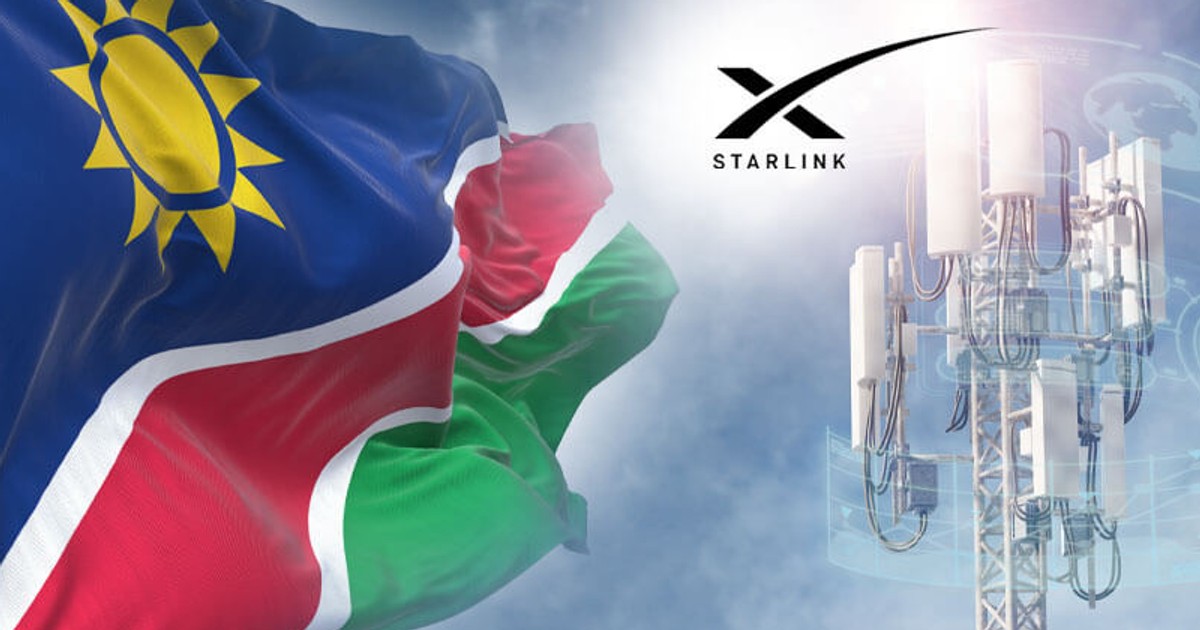
Namibia is getting closer to welcoming Elon Musk’s Starlink soon, and that’s exciting news for many who are eager for better internet access across the country. The Communications Regulatory Authority of Namibia (CRAN) has taken a big step by opening up the licensing process. They published Starlink’s application in the government’s Official Gazette on November 28, inviting people to share their thoughts over the next two weeks.
Elon Musk’s Starlink is coming to Namibia with the goal of delivering high-speed internet via satellites that orbit closer to Earth. This service could connect homes and businesses all around the country using special user terminals. It’s not just about new connections either, Starlink might also help existing mobile networks by boosting capacity in places where coverage is weak or missing. To do this, the company has applied for a national telecom license, along with a spectrum license that covers frequencies between 10.7 and 14.7 GHz. However, CRAN hasn’t shared details about fees or financial terms yet.
Read Next: IBM Plans to Buy Confluent for $11 Billion as it Seeks to Increase Its Data Offerings
Earlier this year, the regulator put a stop to Starlink’s operations temporarily because the company started offering services before getting the official license. That cease-and-desist order showed the importance of going through the formal process, but now that Starlink’s application is out in the open, this hurdle looks like it’s being cleared.
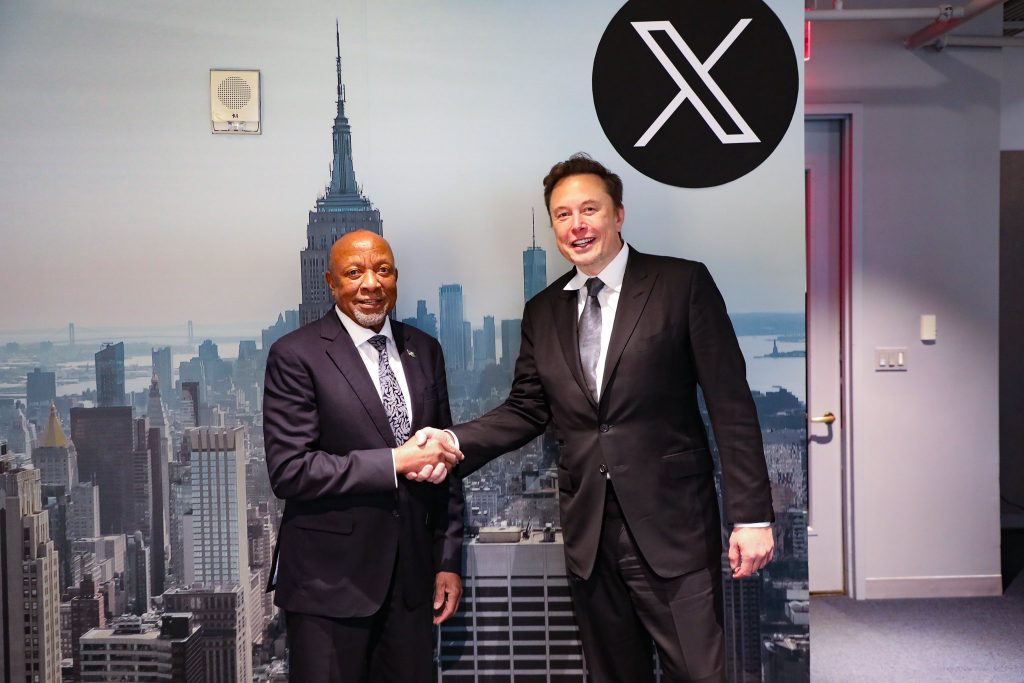
Namibia really needs solutions like Starlink because the country still faces big challenges with internet coverage, especially in rural areas. CRAN’s Director General, Emilia Nghikembua, explained that broad satellite coverage could be the answer for far-flung farms and isolated lodges. She highlighted how some areas stretch across more than a million hectares, too vast for traditional networks to cover. Even though most Namibians (about 91%) can get on 2G, 3G, or 4G networks, this coverage mostly sticks to towns and cities, leaving around 9% of the population outside mobile service zones due to Namibia’s large size and scattered settlements.
Read Next: Paramount Counters with $108 Billion Bid to Rival Netflix for Warner Bros Acquisition
Elon Musk’s Starlink coming to Namibia could shake things up in a market that has mostly been dominated by MTC and Telecom Namibia. A newer player, Paratus, recently launched its own 4G mobile network in September 2025, showing that the telecom scene is starting to get more competitive. Starlink’s arrival would add another strong contender, especially for remote regions where reliable internet has been hard to come by.
All in all, with Elon Musk’s Starlink coming to Namibia soon, it looks like a promising development that could change how people connect, work, and live, especially outside the cities. With the licensing process now underway, many are watching closely, hoping that better internet access happens sooner rather than later.
Was this information useful? Drop a nice comment below. You can also check out other useful contents by following us on X/Twitter @siliconafritech, Instagram @Siliconafricatech, or Facebook @SiliconAfrica.