Physical Address
60 Ekwema Cres, Layout 460281, Imo
Physical Address
60 Ekwema Cres, Layout 460281, Imo

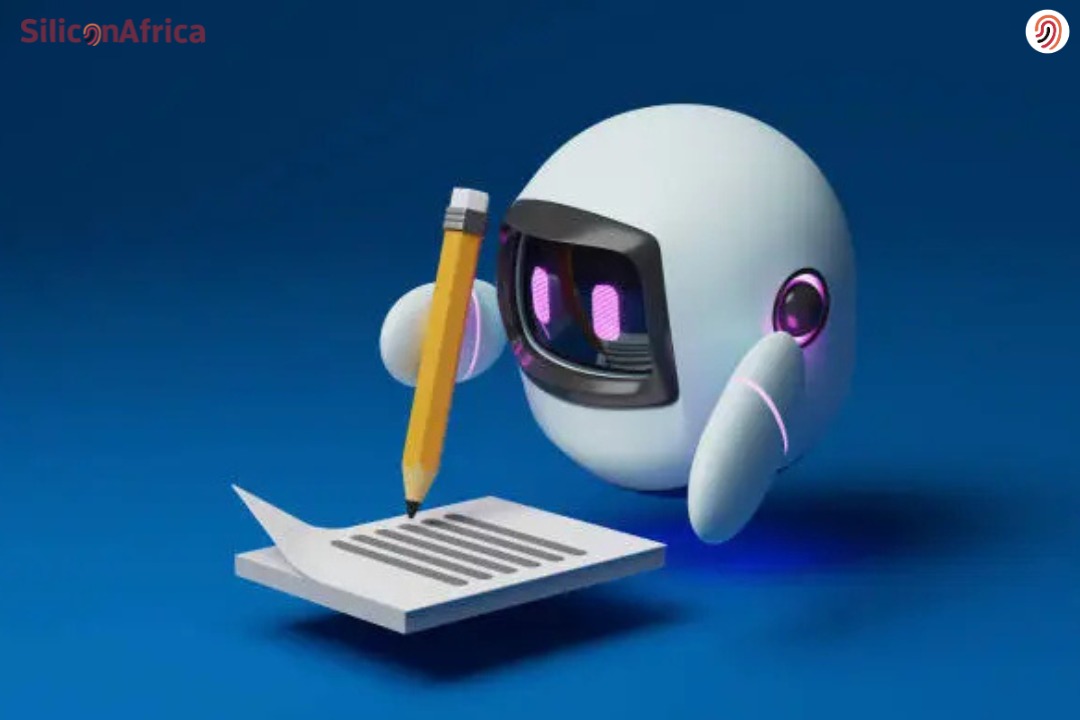
Stories have always started with imagination, but now technology helps bring those ideas to life faster. AI story generators have become practical tools for writers, marketers, students, and creators who need fresh content without the usual creative struggle.
Instead of staring at a blank page, you can turn a simple prompt into a structured story within seconds. The appeal is simple. They save time. They spark ideas. Also they help organize scattered thoughts into clear narratives.
Beginners use them to gain confidence. Experienced writers use them to speed up drafts and overcome writer’s block. Some tools focus on deep fiction and character building, while others are better for short-form or brand storytelling.
In this article, we will talk about AI story generators, how they work, the features that make them useful, their practical uses, and some of the top platforms available today. By the end, you’ll have a clear idea of which tool might fit your creative needs best.
An AI story generator is an intelligent computer application that can generate written content such as stories, conversations, and descriptions, among others. Its functionality is achieved by obtaining ideas from the user and applying smart technologies to generate connected ideas in the form of writing.
In other words, the AI story generator combines the power of understanding language with smart mathematical calculations to generate content that is coherent and looks natural, just like it is written by a human.
The technologies used in the creation of AI story generators involve two concepts: natural language processing and large language models.
GPT has emerged as a leading AI writing technology due to its ability to understand the nature of language. AI story generators fall into the class of writing technologies, which range from the simplest text generators to more sophisticated tools.
Also Read – What Is Writesonic AI? Features, Uses, & How It Works
AI story generators rely on large language models trained on vast collections of books, articles, and other text. By analyzing patterns in how sentences are structured and how styles differ, they learn to produce writing that feels natural and human.
At the core is natural language processing (NLP), which helps the system understand context, tone, and word choice. When given a prompt, whether it’s a single idea or a detailed description, the AI uses it as a starting point and predicts what should come next based on patterns it has learned.
The process has two main stages: input and output. First, the user provides a prompt. Then the AI interprets that input and generates text step by step, refining each sentence so it stays clear, relevant, and aligned with the requested style or subject. In some cases, it can also incorporate keywords naturally to make the content easier to find online.
Also Read – What Is Instantly AI? Features, Uses, & How It Works
Story generators powered by AI have several helpful tools that make it easier for writers to create detailed and exciting stories. These features support various aspects of storytelling, allowing anyone to weave complex narratives effortlessly. Let’s take a look at them.
AI can create exciting and complex stories by creating scenarios that change in surprising ways. These stories often include unexpected twists, growing conflicts, and satisfying endings, which make them more engaging. By combining different plotlines,
AI helps writers build stories that are not straightforward or predictable. Whether it’s an exciting thriller or a grand adventure, AI-generated story ideas can inspire captivating tales from the ground up.
By looking at common character types and various human behaviors, AI can create characters with their special traits, interesting backstories, and strong motivations.
These characters can be simple or very complex, changing throughout the story as they grow or face challenges. AI-generated characters can have emotional journeys and unique personalities, making them feel real and relatable.
This tool allows storytellers to create main characters, villains, and side characters that are well-rounded and essential to the story.
AI is great at creating detailed settings and colorful worlds. It can generate descriptions of different places, cultures, histories, and even made-up languages.
This helps to build a rich backdrop that draws readers into the story. Whether it’s a dark future or a magical land, these AI-created worlds can be customized for different types of stories, adding depth and making the experience more immersive.
One of the great things about content created by AI is how well it can produce conversations that sound natural and interesting.
The AI picks up on the way people speak, including the tone and various accents, which makes interactions between characters feel more genuine. This ability to create realistic dialogues adds depth to the emotions in the story and helps move the plot along.
AI can skillfully combine different parts of a story to create clear and engaging scenes. It can control the speed, tension, and emotional feel of these scenes to fit various types of stories. For example, it can build suspense in a mystery or create a warm feeling in a romance.
This ability to shape scenes means that every moment in the story plays an important role in moving the plot forward.
These features collectively empower writers to elevate their storytelling, blending AI’s capabilities with human creativity to produce engaging and imaginative narratives.
Read Also – What Is Topaz AI? Features, Uses, & How It Works
In the sections, we’ll explore each AI story generator, covering features, pricing, strengths, and limitations, so you can see which one fits your storytelling style best.
ChatGPT is the most widely known AI writing tool, and it’s built for more than fiction. It works as an all-purpose creative assistant, letting you brainstorm, outline, draft, rewrite, and research in one place. That flexibility is its edge.

It handles rough ideas well, quickly turning them into outlines, alternate directions, or sample dialogue. It’s just as useful for tightening prose or shifting tone. With saved drafts and memory, it can return to projects later and maintain continuity. Custom GPTs allow style tuning, and its stronger context handling (especially in newer models) helps manage longer arcs.
Pricing is simple: a free tier with GPT-3.5, plus at $20/month for GPT-4-level quality. Team and Enterprise plans suit collaborative work. For the price, Plus delivers strong value.
Best for writers who want one tool for brainstorming, drafting, editing, and research.
NovelAI is built specifically for fiction. The interface and features focus on immersive storytelling rather than general tasks.
Its standout feature is the Lorebook, which stores characters, locations, and rules, then pulls them into the narrative automatically. Text Adventure mode adds interactive storytelling, and multiple model options let you adjust tone and creativity. It encourages upfront worldbuilding and rewards consistency.
Plans range from $10 to $25 per month, depending on context length. The top tier is best for long-form projects.
Best for writers building detailed worlds, especially in fantasy or sci-fi.
Claude leans toward structure and clarity. It follows instructions closely and handles large amounts of text at once, making it strong for long drafts.
Its large context window supports continuity across chapters. Projects and Artifacts help organize outlines, drafts, and reference material. It also recalls past conversations, which helps with ongoing work. The prose style is clean and controlled unless pushed toward something more lyrical.
Pricing sits around $17–$20 per month for Pro, with higher tiers for heavier usage.
Best for writers managing complex drafts who want organization and consistency.
Sudowrite is designed purely for fiction and focuses on improving prose. It’s less about planning and more about strengthening what’s already on the page.
Tools like Describe and Expand add sensory detail. Rewrite offers stylistic variations, and brainstorming features spark new ideas. Canvas mode supports visual story mapping.
Plans range from $10 to $44 per month, based on credits. It’s slightly pricier at higher tiers but tailored for creative drafting.
Best for writers refining scenes, overcoming blocks, and adding depth line by line.
AI Dungeon takes a different approach. It’s built around interactive, game-style storytelling rather than polished drafting.
You start with a scenario, and the AI adapts in real time. It supports multiplayer sessions and persistent worlds. The focus is spontaneity and experimentation, not careful editing.
There’s a free plan, with paid tiers from about $10 to $30 per month for stronger models and more memory.
Best for writers who enjoy improvisation, roleplay, and branching “what if” storytelling rather than structured novel drafting.
Also Read – What is a Mastermode? Definition and purpose in blockchain network
AI story generators are valuable tools not just for people who write stories but for many different areas. They can help with all kinds of writing needs, making them valuable for a wide range of tasks.
Writers of novels, short stories, and screenplays can use AI as a helpful tool to boost their creativity.
It can provide a wealth of ideas for plots, character developments, and even complete story outlines, especially when someone is stuck and struggling to come up with new ideas.
The AI is great at suggesting different directions for the story or surprising twists that might not have been thought of.
It can also write scenes in various styles or explore different themes, giving writers fresh perspectives. This way, authors can keep their inspiration flowing and discover new creative paths.
In areas like business, journalism, and corporate communication, AI tools can help create different types of written content, such as articles, reports, and press releases. While AI can’t fully replace the careful thinking and creativity of professional writers, it can speed up the writing process by providing initial drafts.
This allows writers to spend more time improving and polishing the final pieces. Additionally, AI can suggest ways to organize ideas better, make the writing clearer, and point out where more information might be needed, making everyday writing tasks easier and more efficient.
More and more marketers are using AI to help create engaging content for things like blogs, social media posts, email newsletters, and advertisements. With the ability to quickly come up with interesting headlines, catchy taglines, and informative articles, these tools help businesses stay on top of their content needs.
AI can also tailor messages for different groups of people, allowing brands to keep a consistent style while appealing to various customer interests. This flexibility makes it easier to produce a lot of quality content quickly, which is crucial for keeping audiences interested and engaged.
Both teachers and students can gain a lot from using AI to help with learning. Teachers can use AI to make a variety of study materials, which can show different writing styles or important moments in history.
For students, AI can be a helpful tool by creating rough drafts for essays, showing how stories are structured, or providing creative writing ideas that help them improve their skills.
These applications highlight how AI tools can be used to create stories in various ways. They show how these tools can boost both creativity and productivity in many different situations.
Also Read – What Is Jasper AI? Features, Uses, & How It Works
AI story generators offer several benefits that can make writing easier and improve the final piece.
While AI story generators are impressive tools, they have some important limitations to keep in mind:
Read Also – What Is Originality AI? Features, Uses, & How It Works
Well, to be honest, the answer to this particular question is based on your approach to your relationship with AI and your intentions behind using it. As a matter of fact, no AI system will ever be able to replicate the raw emotion that a human possesses.
However, having a little help along the way will only ever serve to help you write better. As a matter of fact, according to data published by Adobe, “Nearly 9 in 10 creators (86 %) around the world now incorporate generative AI into their creative workflows, from brainstorming to editing.”
To illustrate my point, consider the following:
An AI story generator is an ideal support system that will work best in the early stages. For instance, if you are using it for:
It acts as that much-needed support when you are lost in your own ideas. Consider an analogy of a book on coding for programmers or a quick review of the old recipes for a chef.
To get the most out of AI story generators, here are some easy tips that can help:
No. AI can help writers by speeding up the writing process and offering new ideas. However, humans need to review and polish the final content to make sure it’s clear and engaging.
AI-generated stories are usually one-of-a-kind, but they can sometimes reflect common themes from the information they were trained on. It’s a good idea to read through and change the content to make sure it feels fresh and original.
AI story generators can create stories in different styles by following specific prompts for each genre. However, the quality of the stories can differ, and writers might need to adjust the results to capture the unique features of each genre.
AI storytelling is reshaping how narratives are created. What is AI Story comes down to a
simple idea. It is storytelling powered by artificial intelligence, guided by human input.
With powerful AI story generator Features, flexible AI story generator uses, and a clear understanding of How ai story generator works, creators can unlock new levels of productivity and creativity.
The key lies in balance. AI provides speed and structure. Human creativity provides emotion and originality. Together, they make storytelling more accessible than ever before.
For more related articles like this, you can explore our homepage, and kindly leave a comment and follow our social media platforms for more updates
Facebook at Silicon Africa
Instagram at Siliconafricatech
Twitter at @siliconafritech.
What is an AI Story Generator?
What is an AI Story Generator? A Complete Guide for 2024