Physical Address
60 Ekwema Cres, Layout 460281, Imo
Physical Address
60 Ekwema Cres, Layout 460281, Imo


Nigeria’s telecom regulator, the Nigerian Communications Commission (NCC), wants telecom companies to give people at least 14 days’ warning before turning off their SIM cards. This change aims to stop sudden disconnections for inactive lines or unpaid postpaid bills.
The idea comes from a new consultation paper by the NCC. It is part of bigger changes to roll out the Telecoms Identity Risk Management System, or TIRMS. TIRMS is a special platform backed by regulators to fight fraud. Fraudsters often use old, swapped, or blocked mobile numbers to trick people.
Read Next: GSMA Unveils Affordable ₦55,000 4G Smartphones for Nigeria and Key African Markets
In Nigeria, mobile numbers are key for many things. Banks use them to check who you are. USSD codes rely on them for quick services. Digital wallets and identity checks also need them. This makes SIM cards a big target for bad people who want to steal money.
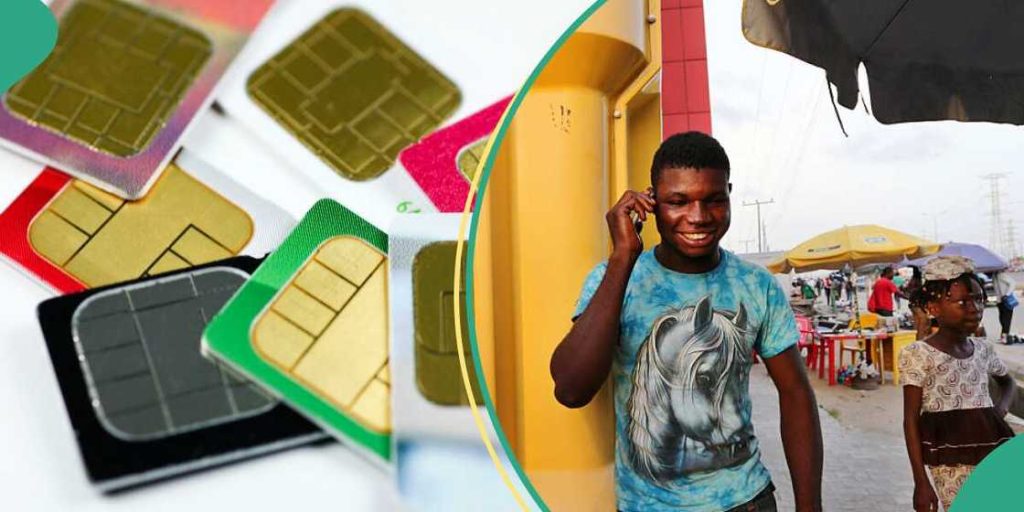
A recent probe showed how fraudsters grab recycled SIMs. They cause huge losses. In 2025, scams and unauthorized access to bank accounts from these tricks cost ₦6.5 billion. That’s about $8.39 million. Cybersecurity reports say SIM fraud is growing fast, up by around 40% each year.
Right now, the rules are different. If a SIM sits idle for six months, telecom firms can deactivate it. After another six months, they fully remove it from use, or “churn” it. But companies do not have to warn users ahead of time. This can leave people without their number suddenly, opening doors for fraud.
The NCC wants to fix this with updates to its Quality-of-Service Business Rules. The paper says operators must now tell affected customers at least 14 days before the final churn date. They can use another phone line or email to send the notice. This rule covers both prepaid and postpaid users. It does not change the six-month wait for inactivity. The goal is to give people time to keep their number if they want it and avoid shocks.
The NCC says this will help users hold onto important numbers. It cuts the risk of fraud from recycled SIMs. Telecom firms like MTN, Airtel, Glo, and 9mobile will need to follow these steps.
On top of warnings, the regulator wants stricter reporting. Companies must send details of all churned numbers to TIRMS within seven days. This builds a shared database across sectors. It will track recycled SIMs better and spot fraud faster.
The NCC launched this public consultation under Section 58 of the Nigerian Communications Act 2003. People have 21 days to share views. Comments are due by March 20, 2026. Telecom operators, banks, fintech firms, and everyday users can join in.
This move shows Nigeria’s push to make mobile services safer. With fraud rising, protecting SIM numbers matters a lot. Banks and apps depend on them for security. A simple warning could save millions and build trust.
Read Next: Nigerian Airports Set to Go Cashless: How to Get and Use Your “Go Cashless” Card
Experts welcome the plan. It balances business needs with user rights. Telecoms already recycle numbers to give out to new customers. But without notice, old owners lose access to linked services like bank alerts or wallets.
If approved, the rules could start soon. The NCC will review feedback before finalizing. For now, keep your SIM active. Use it now and then to avoid deactivation.
This is good news for Nigeria’s 200 million-plus mobile users. It fights fraud while keeping things fair.
Was this information useful? Drop a nice comment below. You can also check out other useful contents by following us on X/Twitter @siliconafritech, Instagram @Siliconafricatech, or Facebook @SiliconAfrica.