Physical Address
60 Ekwema Cres, Layout 460281, Imo
Physical Address
60 Ekwema Cres, Layout 460281, Imo

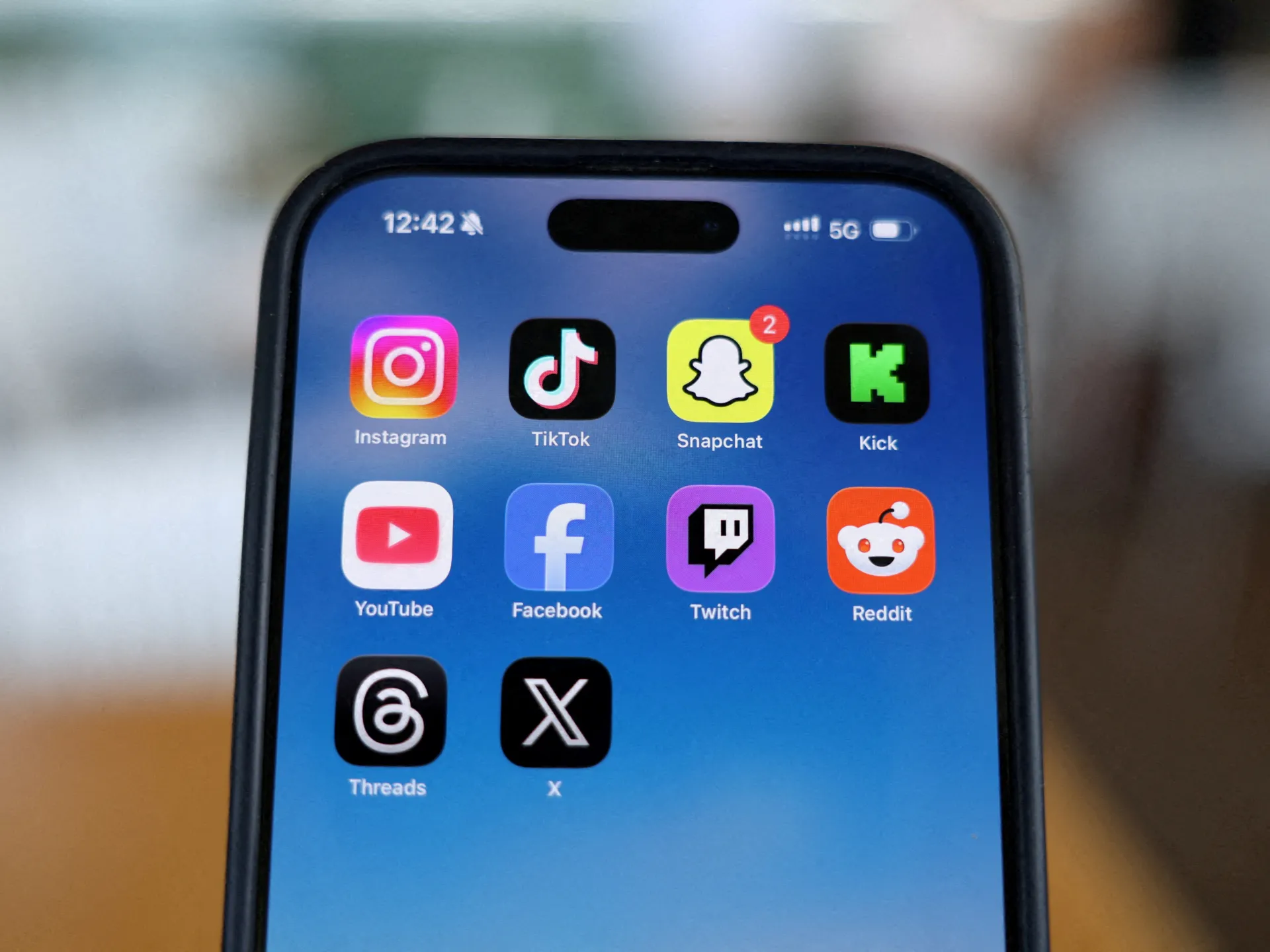
Gabon has cut off access to popular social media sites like Facebook, Instagram, TikTok, YouTube, and WhatsApp. The Central African country took this step to stop unrest caused by a teachers’ strike that started in December 2025. Workers are protesting over low pay and poor working conditions. The strike has now spread to hospitals, universities, and radio stations.
Gabon’s media watchdog, the High Authority for Communication (HAC), made the announcement on Tuesday. They said too much bad content online, like lies, hate speech, insults, and bullying, was hurting the country’s peace. HAC spokesperson Jean-Claude Mendome explained that the block targets fake news, cyberbullying, and sharing private information without permission. “Freedom of expression must follow national and international laws,” he added. The HAC stressed that people can still speak out and criticize the government under Gabonese rules.
Read Next: Namibia is Upset Over No Money From Social Media
President Gen Brice Oligui Nguema leads the country after a military coup in 2023. He now faces anger from government workers and young people who use social media a lot. Internet experts at NetBlocks noticed that most phone and internet companies in Gabon blocked these apps fully. But Gabon Telecom, the biggest provider, left a tiny bit of access open for some users.
This shutdown is hitting everyday businesses hard. A restaurant owner in the capital, Libreville, spoke to the BBC. He said nearly 40% of his customers find him through social media ads and posts. Without it, his sales will drop fast. “We are entering a phase where we don’t even know if we are moving forward with global development or sliding backward into total underdevelopment,” he warned.
Not everyone minds the blackout. A taxi driver in Libreville told the BBC he backs the government’s move. “For the authorities to take such a decision, something must have certainly prompted it,” he said. Many locals trust that officials had good reasons.
Digital rights groups and UNESCO worry about these internet blocks. They say shutting down social media stops free speech, blocks important news, and hurts the economy. People can’t share ideas or do online business easily. In Gabon, shops, freelancers, and even schools rely on these apps daily.
Gabon is not the first African country to do this. Last year, Tanzania blocked social media during a violent election. Uganda turned off internet access several times last month amid a tough general election vote. These steps often happen when leaders fear protests or bad information spreading fast.
The teachers’ strike shows deep problems in Gabon. Public workers want better salaries to match rising living costs. Classes have stopped in many schools, and hospitals are short-staffed. Young people, who make up a big part of the population, use TikTok and Instagram to share videos of empty classrooms and frustrated protests. This has made the government’s job harder.
HAC promises the blackout won’t last forever. They plan to lift it once things calm down. But for now, millions of Gabonese can’t chat with family on WhatsApp or watch videos on YouTube. Students can’t study online, and small businesses lose customers.
Read Next: South Sudan’s New Cyber Crime Act is Now Active
This move raises big questions about balancing safety and rights. Gabon says it’s protecting national security and unity. Critics argue it pushes the country backward in a digital world. As strikes continue, pressure builds on President Nguema to fix workers’ issues without silencing voices online.
Local leaders urge calm and talks. Unions want real changes, not just internet controls. The world watches to see if Gabon can solve its problems while keeping the web open.
Was this information useful? Drop a nice comment below. You can also check out other useful contents by following us on X/Twitter @siliconafritech, Instagram @Siliconafricatech, or Facebook @SiliconAfrica.