Physical Address
60 Ekwema Cres, Layout 460281, Imo
Physical Address
60 Ekwema Cres, Layout 460281, Imo

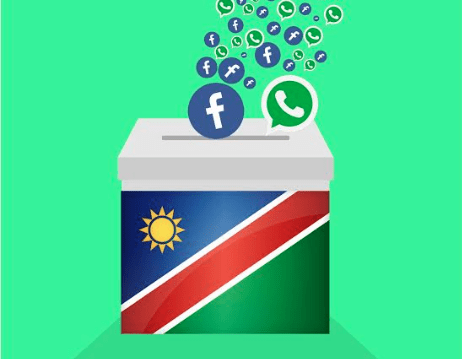
Namibia’s government is frustrated because its social media creators cannot easily make money from their online content. The country has a small population, and this makes it hard for local influencers to earn cash on big global platforms like Facebook, Instagram, and TikTok. Emma Theofelus, the Minister of Information and Communication Technology (ICT), shared this concern after talks with top executives from these companies.
The minister spoke openly at a stakeholders’ workshop in Nkurenkuru, a town in northern Namibia. The event had just ended when she made the announcement. She explained that she held meetings with leaders from some of the world’s largest social media firms. But the results were not promising. “The outlook was grim so far,” she said.
Read Next: South Sudan’s New Cyber Crime Act is Now Active
Namibia is not alone in this problem. Many other African countries face the same issue because of their smaller populations. Platforms set rules for monetization based on things like the number of followers, views, and where users live. With Namibia’s population at just over 2.5 million people, it is tough for creators to hit the high thresholds needed to start earning.
The minister pointed out a key fact: these social media companies are not based in Namibia. “The platforms being used are not Namibia. They are also not registered in Namibia. They do not have a point of presence in Namibia,” she stressed. This means the companies operate from places like the United States or Ireland, with servers and offices far away. They follow their own global rules, which often overlook smaller markets like Namibia.
The push for change came from Namibian content creators themselves. They have grown louder about their struggles. Many post fun videos, photos, and stories that get thousands of views, but they cannot turn that into direct income. Features like ad revenue sharing, subscriptions, or tips are locked behind strict requirements. For example, some platforms demand at least 10,000 followers and high engagement from specific regions. Namibian creators often fall short because most of their audience is local.
Minister Theofelus met with platform officials after these complaints poured in. She hoped to negotiate better access or lower barriers for African creators. But so far, the companies have not budged. They argue that business models rely on large-scale data and advertising from bigger markets.
Despite the setback, the minister praised local influencers for positive efforts. She highlighted those who joined the Ethical Use of Social Media challenge. Launched in August, the campaign aims to promote responsible, safe, and polite online behavior. It encourages users to think before they post, avoid hate speech, and build a healthier digital space.
The challenge saw strong participation from Namibian social media stars. Organizers rewarded the best entries with cash prizes. The winner received N$15,000, which is about US$935. The runner-up got N$3,000 (US$187), and the second runner-up took home N$2,000 (US$124). These awards show how the government values good online conduct, even as monetization fights continue.
This issue highlights broader challenges for African digital creators. Countries like Kenya, Nigeria, and South Africa deal with similar hurdles, despite larger populations. Creators there sometimes find workarounds, like brand deals or Patreon, but direct platform payments remain elusive for many. In Namibia, the small market size amplifies the problem.
Read Next: MTN and IHS Towers Strike a $6.2 Billion Merger Deal
Minister Theofelus urged patience and unity. She called on stakeholders to keep pushing for fairer policies. “We need to understand that the platforms are not ours,” she said, but added that Namibia will not give up. Creators are key to the country’s digital growth, sharing culture, tourism, and stories worldwide.
As social media booms across Africa, more governments may join this fight. For now, Namibian influencers focus on building audiences and ethics while hoping for change. The workshop in Nkurenkuru marked a step forward, sparking talks on how to support local talent in a global online world.
Was this information useful? Drop a nice comment below. You can also check out other useful contents by following us on X/Twitter @siliconafritech, Instagram @Siliconafricatech, or Facebook @SiliconAfrica.