Physical Address
60 Ekwema Cres, Layout 460281, Imo
Physical Address
60 Ekwema Cres, Layout 460281, Imo

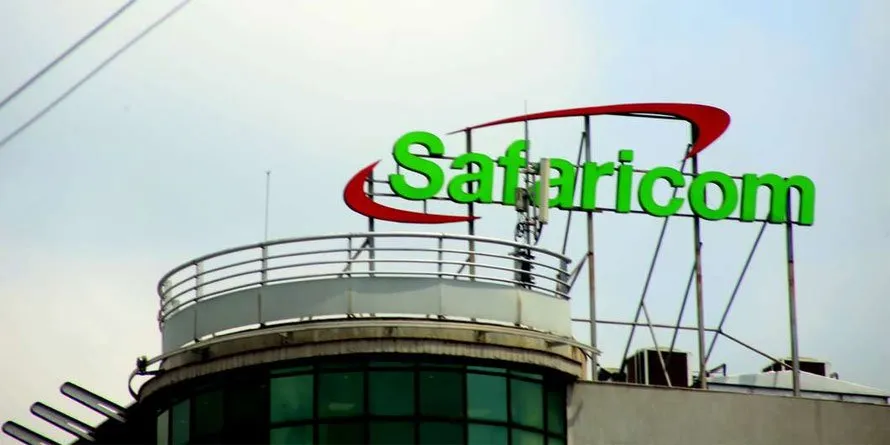
Safaricom’s $1.3 billion deal hits regulatory roadblocks in Kenya, creating uncertainty for one of the country’s biggest business moves. Vodacom, South Africa’s top mobile phone company, wants to buy more shares in Safaricom to own 55% of it. This plan faces tough checks from regulators in East and Southern Africa. They worry it could give too much power to one company in telecoms and mobile money services.
Safaricom’s deal hits regulatory roadblocks in Kenya because groups like the East African Community Competition Authority (EACCA) and the COMESA Competition and Consumer Commission are reviewing it closely. These bodies check if big deals harm fair competition. Safaricom already leads Kenya’s telecom market with its strong services, including the popular M-PESA mobile money app. Regulators fear that Vodacom taking more control might reduce choices for customers and slow new ideas in fintech.
Read Next: PayPal Launches Direct Payments in Nigeria Through Strategic Partnership with Paga
At the heart of Safaricom’s deal hitting regulatory roadblocks is Vodacom’s push through its unit, Vodafone Kenya Limited. They aim to grab an extra 15% stake from the Kenyan government. This also includes rearranging Vodafone’s shares from abroad. The government stands to gain about $1.3 billion, or Sh204 billion in Kenyan shillings. It plans to use this cash for building roads, schools, and other needs to support the economy.
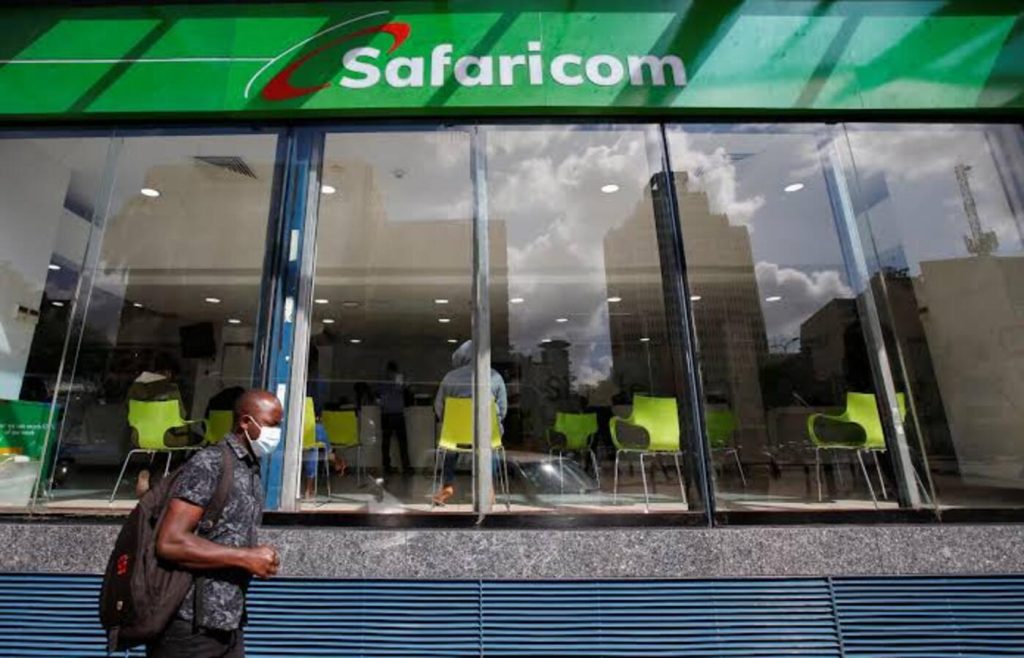
After the sale, the government would keep around 19.99% of Safaricom. Public investors on the Nairobi Securities Exchange would hold the other 25%. This shift would make Vodacom the biggest owner, raising red flags about market control.
The EACCA issued a notice asking competitors, suppliers, and customers to share views. It noted, “This transaction involves a change in effective control in a market where Safaricom already holds a dominant position.” The authority wants to decide if the merger would “substantially lessen competition” in the region. Safaricom’s $1.3 billion deal hits regulatory roadblocks partly due to these concerns over dominance in telecoms across East Africa.
M-PESA makes this deal extra important. It is more than just sending money by phone. The service handles payments, savings, loans, shop settlements, and even government aid for millions of people. In Kenya and nearby countries, M-PESA is like the backbone of daily finance. As it grows deeper into East Africa’s money systems, regulators question if Vodacom’s bigger role could lead to higher prices, block smaller fintech companies from joining in, or limit fresh innovations.
Scrutiny also covers Vodacom’s reach in places like Tanzania and the Democratic Republic of Congo. Officials look at risks of too much power over data, linking phone services with finance, and cross-border effects. A stronger Vodacom might bundle telecom and money services in ways that squeeze out rivals.
Safaricom’s boss, Peter Ndegwa, has tried to ease worries. He told Kenya’s lawmakers that this is just a deal between shareholders. It won’t change how Safaricom runs or follows rules. “Safaricom will remain Kenyan-led and Kenyan-governed,” he stressed. The company would still answer to the Communications Authority of Kenya and the Central Bank of Kenya.
Read Next: CBN Approves Full National Licences for Opay, Moniepoint, Kuda, and Other Fintechs
Still, the reviews drag on, testing patience on all sides. For Kenya’s economy, the $1.3 billion could boost growth through better infrastructure. But for everyday users and startups, fair access to services matters most. Vodacom says the deal brings investment and stability without harming competition.
The world watches how African regulators balance big business with protecting markets. A green light could speed up fintech growth. A block might keep things as they are, preserving choice but slowing funds for development. Either way, M-PESA’s future role in the region hangs in the balance.
Was this information useful? Drop a nice comment below. You can also check out other useful contents by following us on X/Twitter @siliconafritech, Instagram @Siliconafricatech, or Facebook @SiliconAfrica.