Physical Address
60 Ekwema Cres, Layout 460281, Imo
Physical Address
60 Ekwema Cres, Layout 460281, Imo

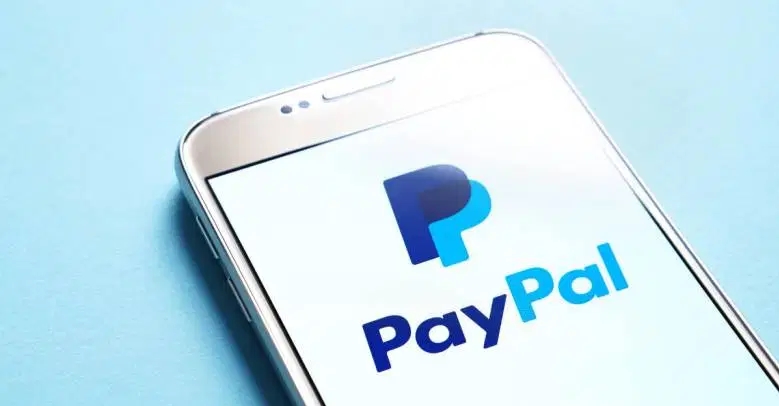
Nigerians are hitting back hard against PayPal’s push for Africa wallets after hearing the big payments company is chatting with local fintechs to roll out a cross-border digital wallet called PayPal World in 2026. PayPal reopens painful memories for Nigerian users with this news, stirring up old beef from years of being shut out.
The idea behind PayPal World sounds slick: it links global and local wallets so you can pay across borders or shop online with a simple PayPal button tied to your home wallet, no need for a full PayPal account. But for many in Nigeria, PayPal’s push for Africa wallets reopens painful memories, and they’re saying it’s way too late to act like nothing happened.
Read Next: 12 Ventures Crowned Winners of the 2025 South African Startup Awards
Folks are pointing fingers at decades of limits that crushed chances for freelancers, remote workers, and online hustlers, pushing them to scramble for workarounds.
Back in the early 2000s, around 2004, PayPal slapped tough rules on sub-Saharan African spots like Nigeria over fraud worries from stolen cards and scams. They didn’t fully boot Nigerians out, but you couldn’t receive payments, just send money, with no easy way to pull funds into local banks. PayPal called it “temporary,” but that drag lasted almost 20 years.
Then in 2014/2025, they cracked the door a bit for some incoming cash, but full merchant tools? Nope. That left tons of Nigerians locked out of the global online money game, especially as FIRS pushes new tax laws that could shake things up even more.
Social media in Nigeria lit up with fury over PayPal’s push for Africa wallets, calling it a sneaky play especially with new tax rules shaking things up. People are reliving how they missed foreign jobs, freelance work, surveys, and remote gigs because platforms only took PayPal.
Commentators say Nigerians toughened up without them, sparking local heroes like Cleva, Raenest, Grey Finance, and more. These spots now hook up thousands of freelancers and businesses, cutting the cord from big foreign players. PayPal reopens painful memories for Nigerian users by showing up now, after sleeping on Africa’s booming young crowd and tech scene.
Check out these raw takes from X:
– @TechnicalBen: “PayPal thinks they’re smart reopening Nigeria. Nigerians survived without them. We lost foreign jobs and gigs for years because of their restrictions, so we adapted. We built alternatives. We moved on. Now they’ve checked Africa’s youth stats and realized how much money they left on the table. Too late mate we have moved on.”
– @Ede Ifeanyinchuku: “Africa has the largest youth population and an exploding tech ecosystem, I guess they are just waking up to that reality and want to get their own slice of the pie. I would argue that they will have a hard time competing with entrenched local players as well as the cultural nuances of winning trust in the African market.”
– @Kami_iyo: “I lost a lot of transcription, survey, and some online jobs because PayPal is the only payment method and now they want to come back like nothing happened, that will never happen. We will boycott them. I was in serious financial strain and had these opportunities I couldn’t touch.”
– @haroldsphinx: “If Nigerians have any sense of self-worth, they should actually boycott PayPal, there’s absolutely nothing in this life that can make me use PayPal again. This is when we should double down on supporting our own products that have solved that problem for us now.”
– @Ossynoya: “PayPal will burn actually, they are one of the only global payment platforms that totally exclude Africans and Nigerians especially. And they literally gave the most stupid excuse for doing it. Now they want to stroll into the African market like nothing happened.”
– @AbiodunØx: “I guess PayPal won’t fly in this part of the world. They went too far with the exclusionary policy [their excuse was lame]. The most annoying thing was when they only allowed us to send money and not receive it.”
– @doctorwalesmd: “Grey Finance didn’t come this far for people like me to switch to PayPal if they ever decide to unblock services for Africans. They should kindly stay blocked. For me, they are no longer relevant here.”
Nigeria’s fintech world has blown up since those old restrictions. By 2025, over 200 startups are handling about $100 billion in deals yearly, per central bank stats. It’s all thanks to young innovators, more folks going digital, and tools built for real local headaches.
PayPal’s push for Africa wallets isn’t walking into empty space anymore, it’s a crowded turf ruled by homegrown champs who get the culture and have loyal fans. PayPal reopens painful memories for Nigerian users, making trust a huge hill to climb.
Read Next: Kenya’s Sun King has Secured a $40 Million Equity Funding Round
This move shows PayPal finally sees Africa’s cash potential, with its huge youth wave and speeding digital economy. PayPal World might nail the tech side of borderless payments, but in Nigeria, it’s not just about gadgets.
They’ll need to fix the bad blood, own up to the past hurts, and prove they’re in for the long haul. Skip that, and they’ll flop against local fintechs that Nigerians already trust. PayPal’s push for Africa wallets reopens painful memories, so the fight’s as much about heart and timing as fancy features. In the end, it could shake up payments across Africa, but Nigeria might stay loyal to its own.
Was this information useful? Drop a nice comment below. You can also check out other useful contents by following us on X/Twitter @siliconafritech, Instagram @Siliconafricatech, or Facebook @SiliconAfrica.