Physical Address
60 Ekwema Cres, Layout 460281, Imo
Physical Address
60 Ekwema Cres, Layout 460281, Imo

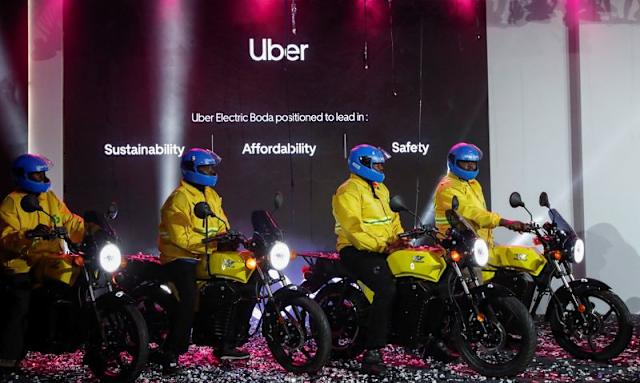
Uber could soon bring electric bikes to South Africa, two years after launching them in Kenya. The company is eyeing electric bikes as a new option for its popular Moto service, responding to the growing demand for affordable and efficient transport in busy cities across South Africa.
Right now, Uber Moto has been a hit, offering a cheaper, quicker way to get around compared to car rides, especially in townships and densely populated areas. With rising transport costs and crowded roads, more people are choosing motorcycles for short trips. So, it makes sense that Uber is looking into how electric bikes could fit into this picture.
Read Next: Nigeria’s Telecom sector shows resilience as GDP contribution rises to 9.1%
Uber’s team in South Africa has been quietly testing various electric bike models to see how they could improve the service. They want to figure out if e-bikes can bring better reliability, lower prices, and more availability to riders who rely on these bikes every day.
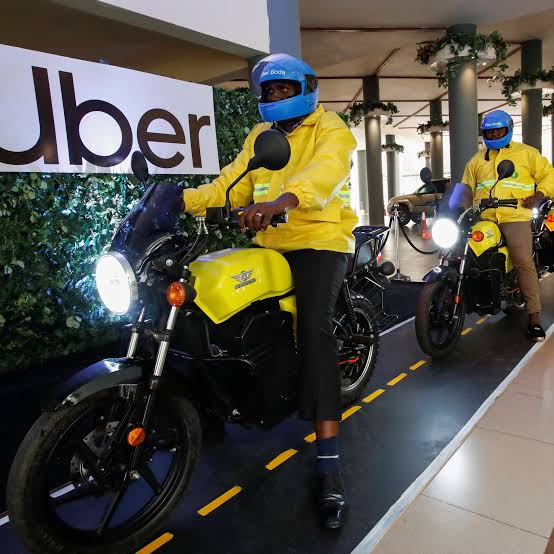
Adding electric bikes would help Uber grow its fleet without pushing up costs. Electric models mean less maintenance and no need for fuel, which could make rides cheaper to run and more affordable for passengers. This could especially help during busy rush hours, when transport options are often stretched thin.
People still like two-wheel rides for quick errands or trips between neighborhoods, and with electric bikes, Uber could offer even more consistent pricing, especially when fuel prices go up and down unpredictably.
In South Africa, using motorcycles for transport and delivery has taken off in recent years. That trend is giving companies like Uber confidence to try new tech and models that fit local travel habits better.
If Uber moves forward with electric bikes, it would mean a big change for drivers too. They’d spend less time refueling, face lower maintenance costs, and could potentially be on the road more often. However, there are some obstacles to sort out first—things like where to charge the bikes, how drivers will pay for them, and making sure the bikes can cover enough distance in a single charge, especially during busy times.
Other key points include making sure there’s enough charging or battery swap stations in busy areas, training riders on how to handle electric bikes’ batteries and upkeep, and keeping safety top of mind as more electric two-wheelers hit the streets.
Switching to electric bikes could also encourage more short trips, which would be great for suburbs where motorcycle taxis are already popular. Plus, electric bikes would help reduce noise and pollution in crowded urban neighborhoods, a win for city life overall.
Uber hasn’t shared any specific dates for when the electric bikes might hit South African roads, stating they’re still in the process of consulting internally and weighing how electric mobility fits into their bigger plans for the country. But with the way things are going, Uber electric bikes in South Africa could be just around the corner.
Was this information useful? Drop a nice comment below. You can also check out other useful contents by following us on X/Twitter @siliconafritech, Instagram @Siliconafricatech, or Facebook @SiliconAfrica.