Physical Address
60 Ekwema Cres, Layout 460281, Imo
Physical Address
60 Ekwema Cres, Layout 460281, Imo

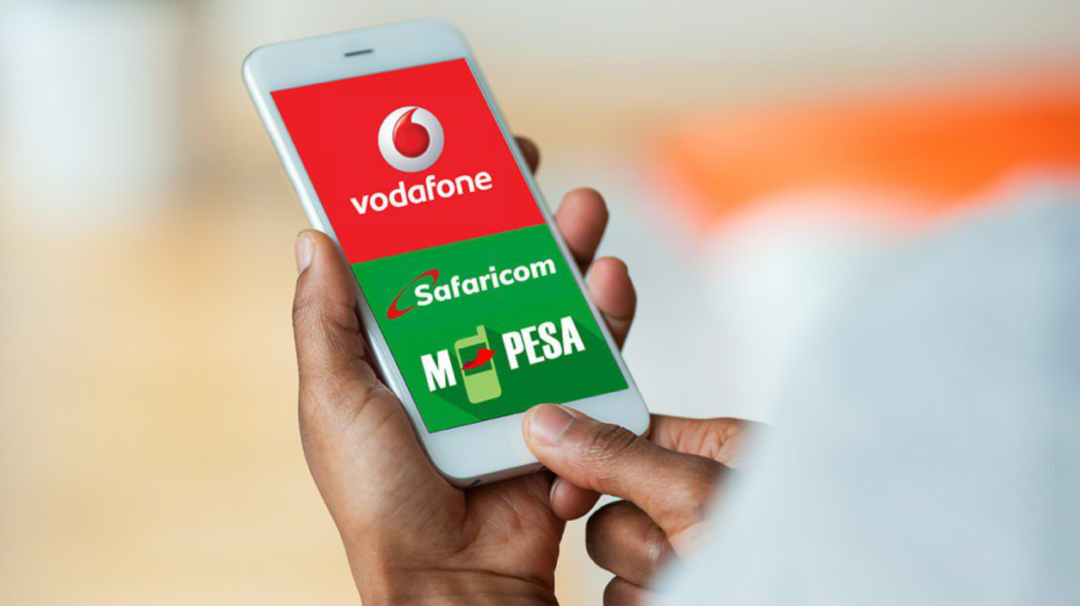
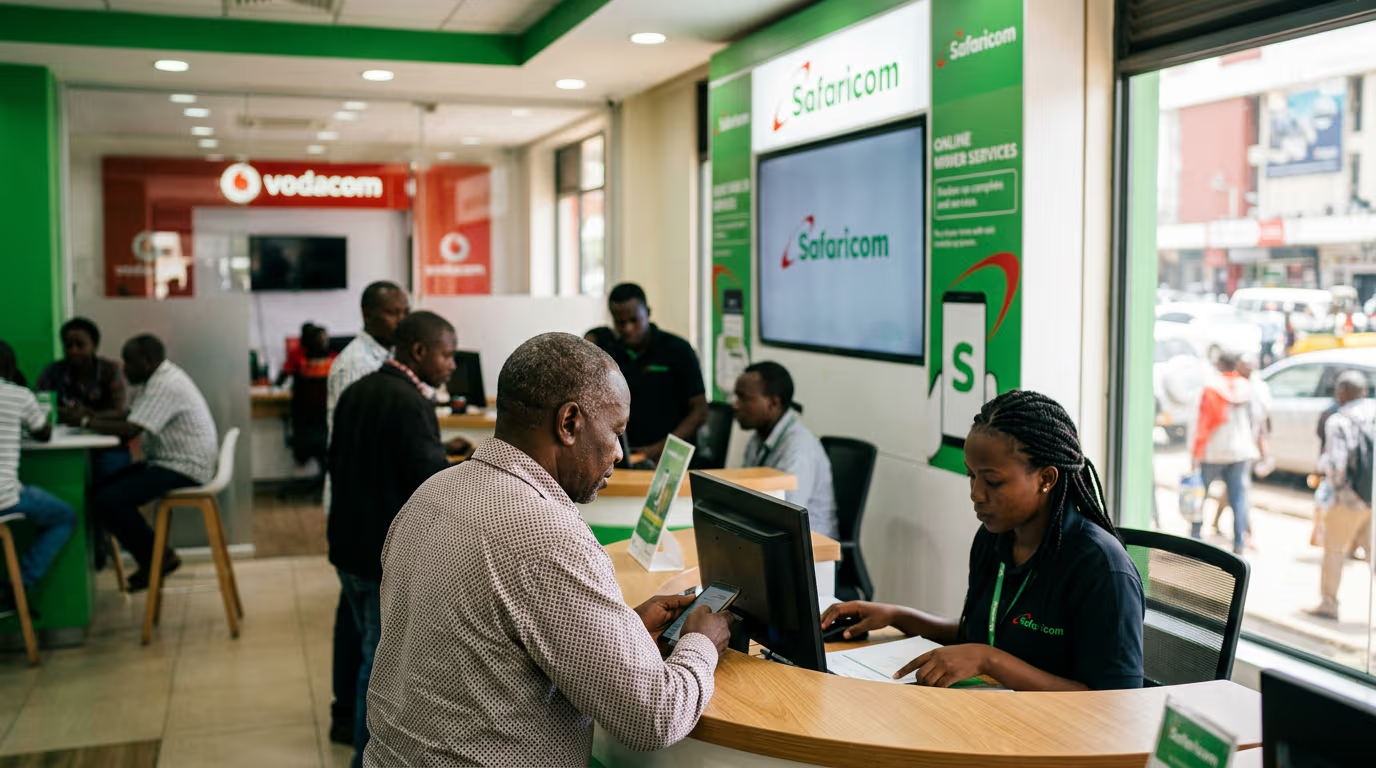
Public meetings about the Kenyan government’s plan to sell a 15% stake in Safaricom for about $2.1 billion have ended. The meetings gave a clear message from the people: they do not like the deal.
Kenyans are not against selling shares in general. But they worry a lot about how the sale is set up and what will happen to the money. In 30 counties, groups led by parliamentary finance committees heard the same fears. People said the big money from the sale might not go to clear projects like roads or bridges. Instead, it could just mix into the government’s everyday spending.
Read Next: Visa Names Malak El Baba to Lead New North Africa Region Covering Egypt, Libya, and Sudan
Charles Nyaga from Embu told lawmakers, “If it goes to the Consolidated Fund, there will be no way to ascertain what the proceeds were used for.” Many others said the same thing. They want the money kept separate in a special account. They also want full openness about every project it funds. Lawmakers heard these calls during their trip across the country.

The deal started in December. Nairobi agreed to sell the stake to Vodacom Group at KSh34 per share. This raises Vodacom’s ownership to about 55%. That gives Vodacom real control over Kenya’s top telecom and fintech company.
The government says the sale will help pay for infrastructure without adding debt. But people doubt this. They question the price, the way it was done, and if it helps Kenya’s interests.
Kiharu MP Ndindi Nyoro strongly opposes the deal. He warns it could sell a key national asset too cheaply. “Basing valuation purely on a depressed market price is naïve,” he said in the meetings. He believes Safaricom’s strong future value deserves a higher price.
Activists and expert groups agree. They ask if Kenya is giving up too much power over its digital systems. Safaricom handles mobile money and business connections for millions.
Many Kenyans also fear losing control. They wonder why everyday local investors on the Nairobi exchange were not given first chance to buy shares. They remember the excitement of Safaricom’s big public sale years ago. Some worry more foreign ownership could make Vodacom too powerful in mobile money services. This might lead to checks from regional watchdogs on fair competition.
Vodacom says the buyout will help spread digital services across Africa. Group CEO Shameel Joosub called it a big step. “This landmark transaction will mark a pivotal step in Vodacom’s journey to accelerate growth and deepen our impact across Africa,” he said. He added it will boost digital and money access in East Africa.
Safaricom CEO Peter Ndegwa welcomes the investment. “Vodacom’s confidence in Safaricom is a testament to the strength of our people, our strategy, and the opportunities ahead,” he said.
Read Next: Telkom Hits 25 Million Mobile Subscribers as Data Revenue Surges to 60% of Total Earnings
But on the ground, trust is low. People in Samburu asked for promises that the money will reach poor areas. Others pointed to past money scandals as reasons for tight rules.
Lawmakers are now writing their report. They are discussing a special fund for infrastructure. The meetings prove Kenyans care most about real promises and checks to ensure the money is used right. Beyond the sale price, they demand strong accountability.
Was this information useful? Drop a nice comment below. You can also check out other useful contents by following us on X/Twitter @siliconafritech, Instagram @Siliconafricatech, or Facebook @SiliconAfrica.