Physical Address
60 Ekwema Cres, Layout 460281, Imo
Physical Address
60 Ekwema Cres, Layout 460281, Imo

PayPal has confirmed a data breach that exposed sensitive personal information of about 100 customers. The incident happened through its PayPal Working Capital loan application system. It puts a spotlight on cybersecurity risks for digital payment platforms.
The breach took place between July 1, 2025, and December 12, 2025. That’s more than five months of unauthorized access. Cyber attackers exploited an error in the loan system. PayPal found and stopped the intrusion on December 12. Users first noticed problems like unauthorized transactions and sudden password resets. These reports led to the company’s investigation.
PayPal sent notification letters to those affected. The letters say personal data was accessed without permission. However, a company spokesperson claimed PayPal’s systems were not compromised. This mixed message has confused many people. It raises questions about what really went wrong. Was it a technical flaw, a setup mistake, or something from a third party? PayPal has not given full details yet.
Read Next: Unilever Teams Up with Google Cloud for 5 Years to Use AI in Everyday Products
The exposed information includes full names, email addresses, phone numbers, business addresses, Social Security numbers, and dates of birth. These details are gold for criminals. They can use them for identity theft or financial scams. Even with only 100 people hit, the risks are high because of the sensitive data.
A few customers also faced unauthorized transactions. PayPal refunded the money quickly. But the company did not share details on the amounts or how the attackers pulled it off.
Right after finding the breach, PayPal ended the unauthorized access. They reset passwords for affected accounts. People getting notifications must create new passwords next time they log in. PayPal urges everyone to check their account activity and transaction history for anything odd.
Affected users get two years of free credit monitoring and identity restoration from Equifax. This helps spot fraud early. But experts say it does not fix everything. Social Security numbers are permanent, so long-term dangers remain.
This breach does not affect most of PayPal’s millions of users. Still, it shows big problems in online finance. Hackers love targeting money apps because the data is so valuable. For everyday people, the fine print does not matter much. Personal info got out without permission. That shakes trust in the company.
Customers should act fast, even if they got no notice. Change your PayPal password now. Make it strong and unique – mix letters, numbers, and symbols. Turn on two-factor authentication, or 2FA. It adds an extra step, like a code from your phone. Check recent transactions closely. Watch your credit reports often for surprises. Stay alert for phishing emails pretending to be from PayPal about the breach. Do not click links or share info.
This event reminds us of wider issues in the digital world. Data leaks happen too often. They threaten privacy and money safety. PayPal moved fast with refunds and services, which helps short-term. But exposed identities can cause pain for years.
Read Next: Gabon Cuts Off Access to Social Media Platforms
Financial firms like PayPal must keep improving defenses. Threats from hackers grow smarter every day. Users play a role too by staying vigilant. Strong passwords and 2FA make accounts tougher to crack.
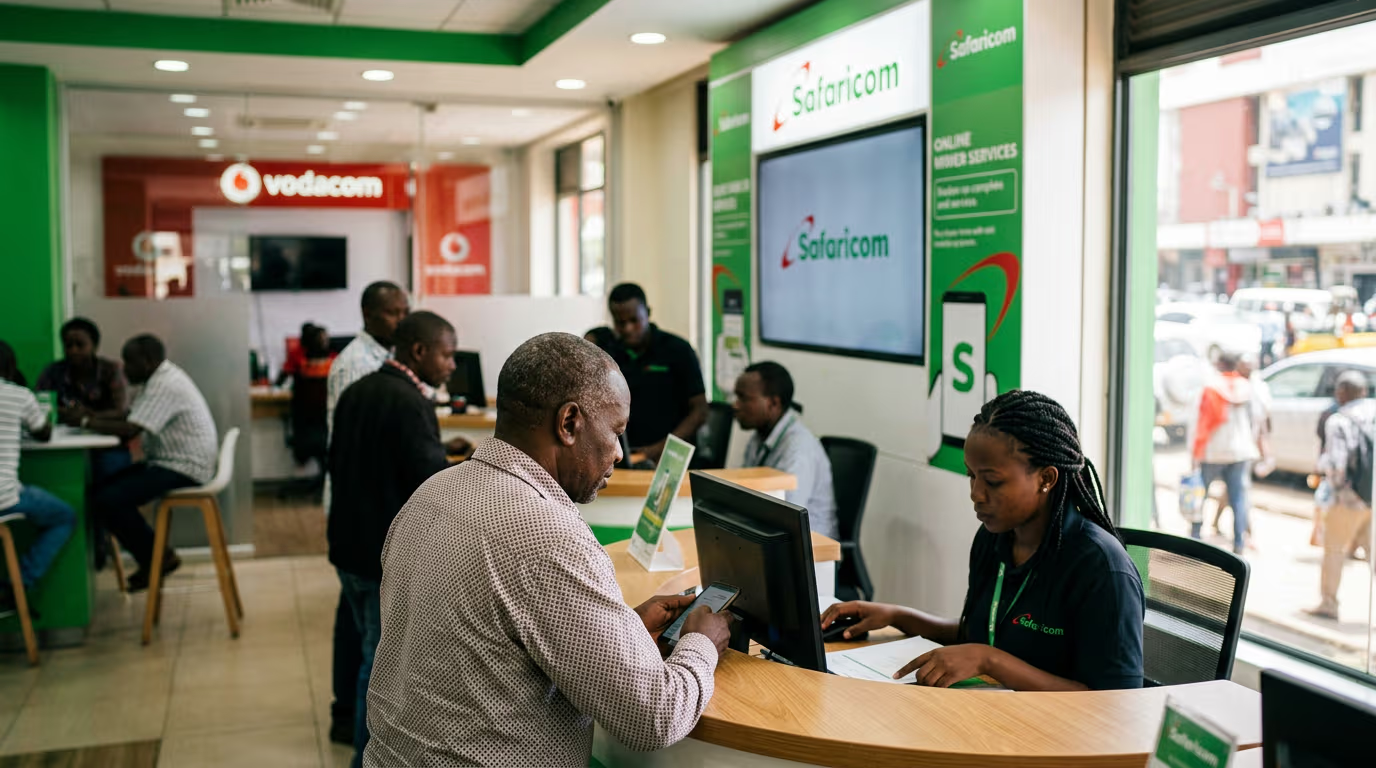
In Africa, where mobile money and fintech boom in places like Nigeria and Kenya, this hits close to home. Platforms handle huge volumes of transactions daily. A similar breach could disrupt lives and businesses. PayPal users here should double-check their setups.
As digital payments expand, everyone needs better protection. Companies must be clear and quick about problems. Customers deserve that trust. This breach is a wake-up call for stronger security across the board.
Was this information useful? Drop a nice comment below. You can also check out other useful contents by following us on X/Twitter @siliconafritech, Instagram @Siliconafricatech, or Facebook @SiliconAfrica.