Physical Address
60 Ekwema Cres, Layout 460281, Imo
Physical Address
60 Ekwema Cres, Layout 460281, Imo

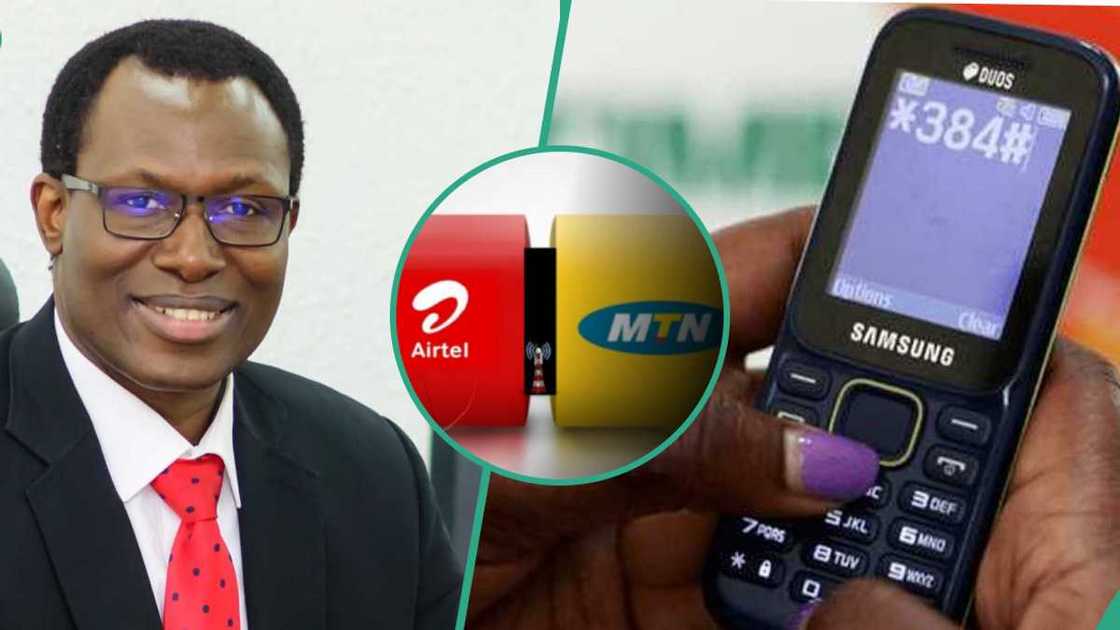
Nigerian banks have finally cleared a massive N300 billion debt owed to telecom companies like MTN, Airtel, and Glo for USSD services. This long dispute, which dragged on for about five years, is now over. The news brings relief to both banks and telecom operators, marking a key win for Nigeria’s digital finance world.
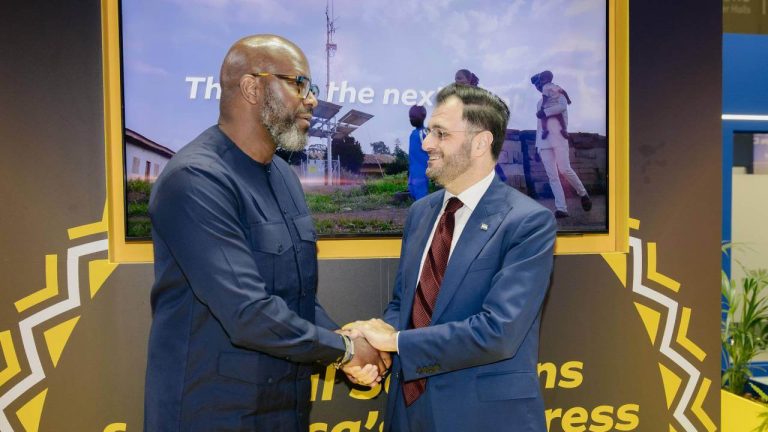
ALTON Chairman Adebayo shared this update during a visit to the Nigerian Communications Commission (NCC) Chairman, Idris Olorunnimbe. He confirmed that the full N300 billion has been paid. Adebayo praised NCC’s Executive Vice Chairman, Dr Aminu Maida, for his strong leadership in fixing the problem. “When Dr Maida took office, he faced big challenges in the industry,” Adebayo said. “The USSD debt had grown over four years to nearly N300 billion. It was a huge risk to our sector and the digital financial system.”
Read Next: Lagos Betting Rule 5% Tax on Winnings Need NIN to Get Paid
For years, telecoms and banks fought over this money. Telecoms even warned they might cut USSD access for about 18 banks due to unpaid bills. Things changed when the NCC and Central Bank of Nigeria stepped in. They created new rules to settle the payments and avoid future fights.
Adebayo also highlighted how the NCC approved a 50% hike in telecom tariffs. He called it a game-changer that will help operators run better and improve services. In response, NCC Chairman Olurunnimbe promised more support for the sector. “We will put all plans in place to keep things working for everyone and the country,” he said. He added that the NCC will improve talks between regulators and companies. “We will open communication channels wider so we can hear you better and act faster. These issues matter to us, and we will keep improving.”
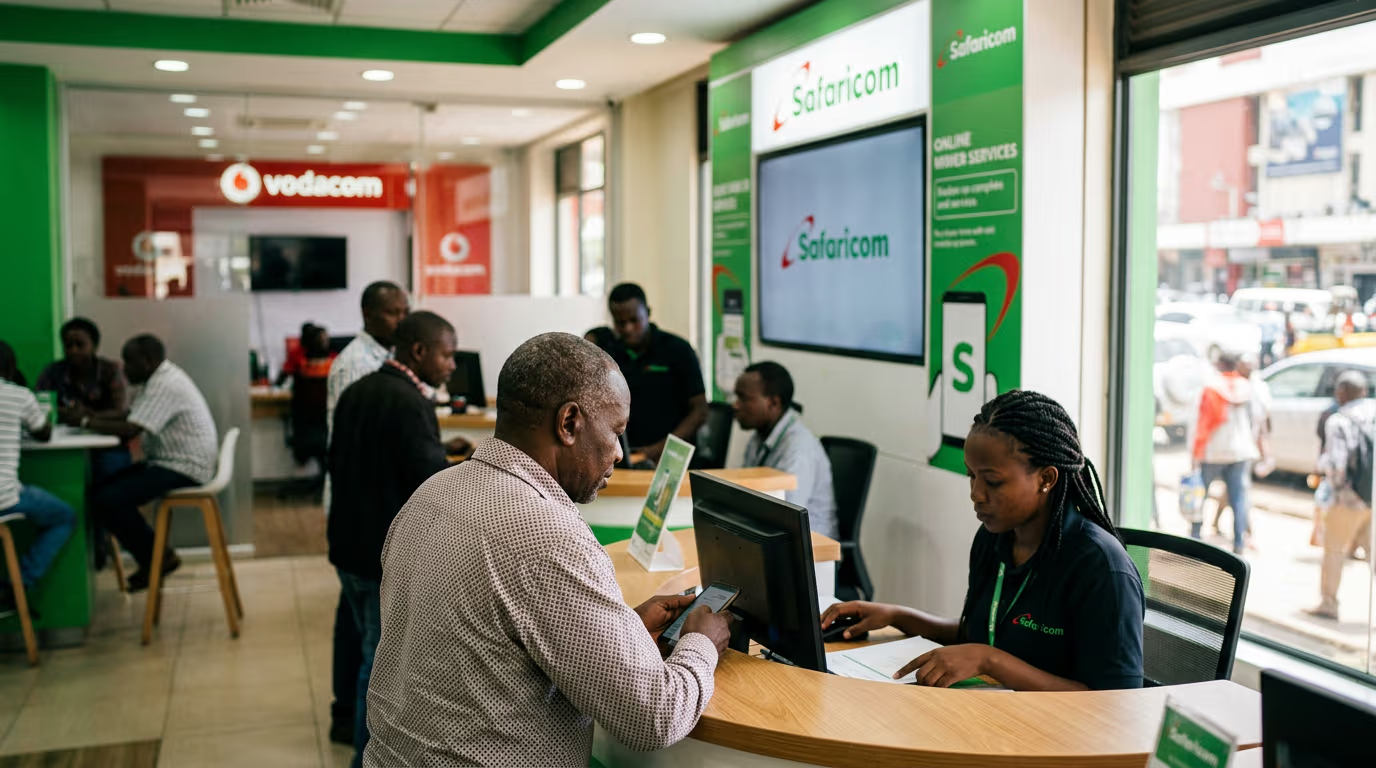
A major part of the fix is the new end-user billing system from the NCC. Launched in June 2025, it stops future debts like this one. Now, USSD fees come straight from your mobile airtime, not your bank account. Each session costs N6.98 for every 120 seconds, charged by your telecom provider.
Here’s how it works: When you start a USSD session, you get a consent prompt on your phone. You confirm, and if you have enough airtime and the bank’s service is up, the fee deducts. You can stop using USSD anytime by opting out. Adebayo assured users this change won’t disrupt services. “Customers can keep using bank USSD codes as long as they have airtime,” he said. It’s treated as an essential service.
USSD remains a lifeline for banking in Nigeria, especially where the internet is spotty. You don’t need data, just dial your bank’s code to check balances, transfer money, or pay bills from anywhere. Millions rely on it daily, making it a backbone for financial inclusion.
This resolution clears a dark cloud over Nigeria’s fintech growth. Telecoms can now focus on expansion, while banks avoid service cuts. The end-user system protects everyone by making billing clear and direct. It also pushes the industry toward smoother operations amid rising mobile money use.
Read Next: Nigeria and South Africa Drive Stablecoin Boom as Adoption Hits Nearly 80%
Experts see this as a boost for trust in digital payments. With debts gone and new rules in place, more Nigerians can bank easily via USSD. The NCC’s quick action shows regulators are serious about balancing interests. As Adebayo put it, Dr Maida’s intervention turned a crisis into progress.
Looking ahead, better communication between NCC, banks, and telecoms will tackle other issues fast. The tariff hike gives telecoms breathing room to invest in networks. For everyday users, USSD stays reliable and affordable. This step strengthens Nigeria’s push for a cashless economy, where simple services like USSD drive real change.
Was this information useful? Drop a nice comment below. You can also check out other useful contents by following us on X/Twitter @siliconafritech, Instagram @Siliconafricatech, or Facebook @SiliconAfrica.