Physical Address
60 Ekwema Cres, Layout 460281, Imo
Physical Address
60 Ekwema Cres, Layout 460281, Imo


Nigeria and South Africa are leading Africa’s stablecoin boom, with nearly 80 percent of cryptocurrency users in both countries already owning dollar-pegged digital assets. This comes from a new global report that shows strong growth in these two big economies.
The Stablecoin Utility Report, done by YouGov with BVNK, Coinbase, and Artemis, points to rising demand for stablecoins. People and businesses want faster, cheaper, and more reliable ways to send money across borders. The survey asked over 4,650 people in 15 countries who hold or plan to hold cryptocurrencies. It found that users in Nigeria and South Africa are more excited about stablecoins than those in other places around the world.
Read Next: PayPal Data Breach Alert: Customer Data Leaked, Passwords Reset, Unauthorized Transactions Reported
In both countries, more than three-quarters of those surveyed plan to buy more stablecoins in the next 12 months. Nigeria stands out the most. About 95 percent of Nigerian respondents said they prefer getting paid in stablecoins instead of naira, the local currency. This makes sense in places with high inflation, where the naira’s value keeps changing. People face problems with foreign exchange limits, so they turn to stablecoins as a better way to store money and make payments.
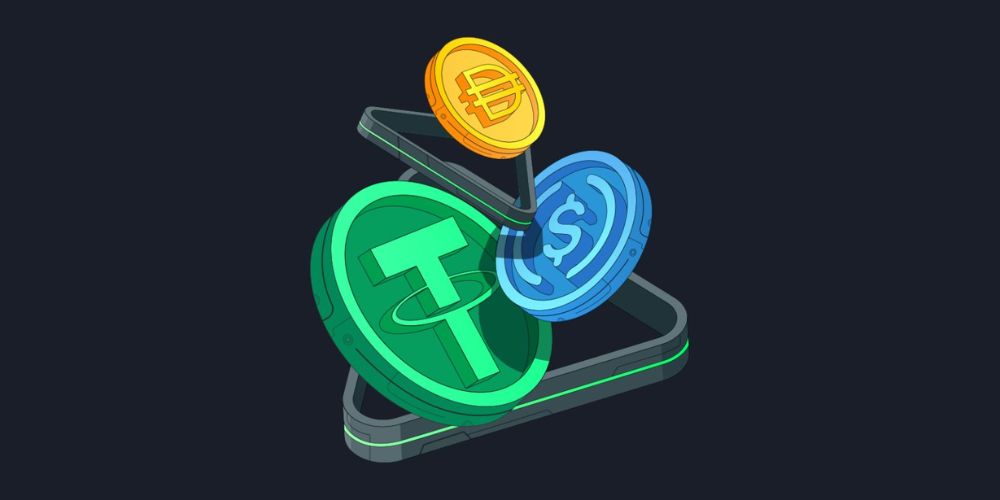
Stablecoins are digital tokens that keep a steady value, usually tied to the U.S. dollar. As of February 2026, their total market value is over $300 billion. They act as the main support for liquidity in the whole cryptocurrency world, making trades and transfers smoother.
The report says the reasons for using stablecoins in Nigeria and South Africa are everyday needs, not just hopes of quick profits. Users like them for quick settlement times, low fees, and dependability. These beat old-school banks and remittance services, which can be slow and costly.
Chris Harmse, co-founder of BVNK, explained it well. “People are already getting paid and spending stablecoins, especially where traditional payments are slow, expensive, or unreliable,” he said. He noted that users want stablecoins to work better with everyday financial apps and payment systems.
This trend shows how Africa is changing the way money moves. In Nigeria, with its big population and active tech scene, stablecoins help fight currency woes. South Africa, with its strong financial hub, also sees businesses adopting them for cross-border deals. Both countries drive Africa’s place in the global crypto map.
The high adoption rate, almost 80 percent among surveyed users, beats many other regions. It highlights practical wins over hype. For example, a freelancer in Lagos can get paid in stablecoins from a client in Johannesburg instantly, without high bank fees or delays. This is huge for remittances, trade, and daily spending.
Looking ahead, the report predicts even more growth. With over 75 percent planning to hold more, stablecoins could reshape payments in Africa. They offer stability in shaky economies and speed in slow systems.
Experts see this as a sign of deeper change. Stablecoins bridge gaps left by traditional finance. In Nigeria, where naira inflation erodes savings, dollar-pegged tokens protect value. In South Africa, they cut costs for imports and exports.
Read Next: Unilever Teams Up with Google Cloud for 5 Years to Use AI in Everyday Products
BVNK and partners like Coinbase push for better tools. They aim to blend stablecoins into mobile wallets, e-commerce, and bank apps. This could boost financial inclusion for millions without easy bank access.
As adoption hits nearly 80 percent in these leaders, other African nations may follow. The report urges regulators to support safe growth. With $300 billion in market cap, stablecoins are here to stay, powering real-world use.
Nigeria and South Africa’s story is one of innovation born from need. Users aren’t just holding tokens, they’re using them to live better. This boom could spark wider economic gains across the continent.
Was this information useful? Drop a nice comment below. You can also check out other useful contents by following us on X/Twitter @siliconafritech, Instagram @Siliconafricatech, or Facebook @SiliconAfrica.