Physical Address
60 Ekwema Cres, Layout 460281, Imo
Physical Address
60 Ekwema Cres, Layout 460281, Imo

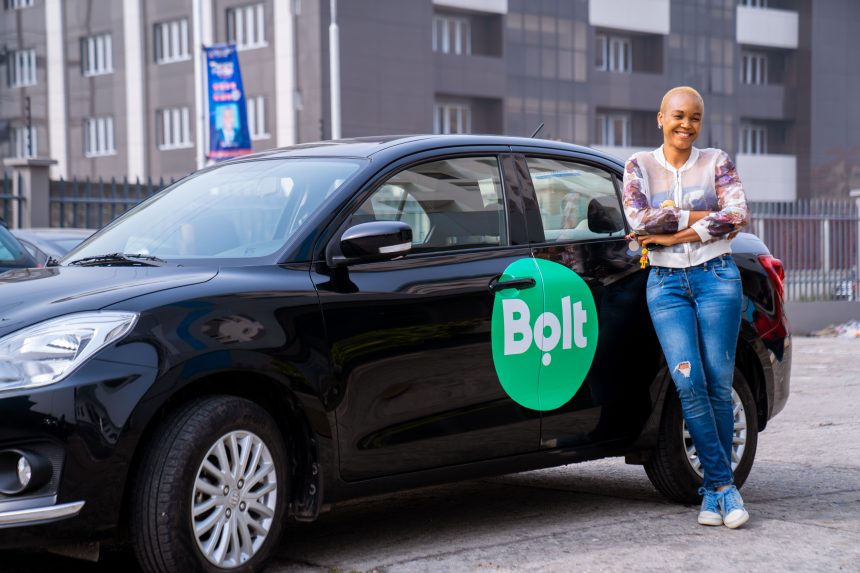
Ride-hailing giant Bolt has made history in South Africa by becoming the first app-based company to get official approval to operate under the country’s updated transportation laws. On February 27, 2026, the National Public Transport Regulator (NPTR) issued Bolt a certificate of registration. This move lets the company meet the new e-hailing rules well ahead of the March 11 deadline.
Fikile Nzuza-Chunga, Bolt South Africa’s Senior Public Policy Manager, shared her excitement about this step. “We have always welcomed the introduction of clear and progressive regulations for the e-hailing sector,” she said. “From the outset, we have worked closely with regulators and industry stakeholders to ensure compliance and welcome the framework that supports innovation, safety, and sustainable growth.”
Read Next: COMESA Approves Vodacom’s Acquisition of 15% Stake in Safaricom
Nzuza-Chunga called the certificate a key milestone. It builds trust and boosts safety for drivers and passengers alike. “Receiving the Certificate of Registration from the NPTR is an important milestone not only for Bolt, but for the broader e-hailing industry, as it strengthens trust and enhances safety for both driver operators and passengers,” she added.

This approval comes after big changes in South Africa’s transport rules. In September 2025, the government passed the National Land Transport Amendment Act (NLTAA). The old law lumped e-hailing services with traditional metered taxis, leaving no clear rules for apps like Bolt and Uber. The new act fixes that by creating a special section just for e-hailing.
The goal? To make the sector more formal and modern. It sets stronger safety standards for riders and drivers. Key requirements include clear vehicle branding so everyone knows it’s an official e-hailing car. Vehicles must have panic buttons for quick help in emergencies. App companies like Bolt also need to check and verify their drivers’ licenses properly.
Both Bolt and Uber backed the new law. They saw it as a way to bring clear rules that improve safety, professionalism, and accountability. Both applied to the NPTR for their platforms and drivers to beat the deadline. So far, Bolt is the only one approved.
But not everyone is cheering. The milestone arrives amid growing protests from drivers and groups like the National E-hailing Federation of South Africa (NEFSA). They say the law ignores major problems faced by drivers, who keep the industry running with long hours.
NEFSA points out several gaps. First, it skips skills training for drivers, which could make roads safer. On safety, the rules focus mostly on passengers but miss rider verification. This simple check could cut attacks on drivers sharply, but it’s not required. The federation calls this one-sided.
Drivers also face ongoing extortion by criminal groups, yet the law says nothing about it. There’s no clear way to solve disputes, like unfair account deactivations by apps or vehicle impoundments by officials. Data issues are another headache. App companies control all the data and algorithms, giving no oversight to government or planners.
Read Next: Nigeria Proposes 14-Day Warning Before SIM Card Deactivation
High commissions from apps eat into drivers’ earnings, but the law offers no fix or fair rate framework. “Essentially, the law completely neglected drivers whose long hours are powering the sector,” NEFSA argues.
Bolt’s quick approval shows progress toward a regulated e-hailing world in South Africa. It promises safer rides and more trust. Yet, the protests highlight unfinished business. Drivers want rules that protect them too, not just passengers and apps. As the March 11 deadline nears, eyes are on Uber and others. Will they follow Bolt’s lead? And will the government address these driver complaints to calm the unrest?
For now, Bolt leads the way in this evolving industry, blending innovation with new safety standards. But true success means fixing the gaps so everyone, drivers, riders, and apps, benefits.
Was this information useful? Drop a nice comment below. You can also check out other useful contents by following us on X/Twitter @siliconafritech, Instagram @Siliconafricatech, or Facebook @SiliconAfrica.