Physical Address
60 Ekwema Cres, Layout 460281, Imo
Physical Address
60 Ekwema Cres, Layout 460281, Imo

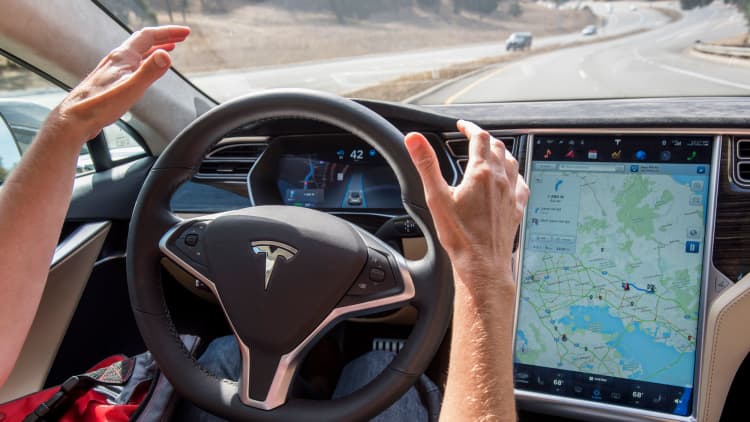
Tesla phases out Autopilot to push drivers toward its more advanced Full Self-Driving system. The company has discontinued Autopilot, its basic driver-assistance tool, in a big move to speed up adoption of Full Self-Driving (Supervised). This change shows Tesla’s focus on newer tech amid legal troubles and shifting business plans.
The decision hits hard right now because Tesla faces a 30-day suspension of its manufacturing and dealer licenses in California, its biggest U.S. market. A judge ruled in December that Tesla phases out Autopilot partly due to deceptive marketing. The company had overstated what Autopilot and Full Self-Driving could do for years. The California Department of Motor Vehicles brought the case and controls the licenses. They paused the ruling for 60 days so Tesla could comply by dropping the Autopilot name.
Read Next: Zenith Bank Expands into Kenya by Acquiring Paramount Bank
Autopilot combined two simple features: Traffic Aware Cruise Control and Autosteer. Traffic Aware Cruise Control keeps a set speed and safe distance from cars ahead. Autosteer centers the car in its lane and steers around curves. Now, Tesla’s online site says new cars come standard only with Traffic Aware Cruise Control. It’s unclear if owners of current cars lose Autopilot features.
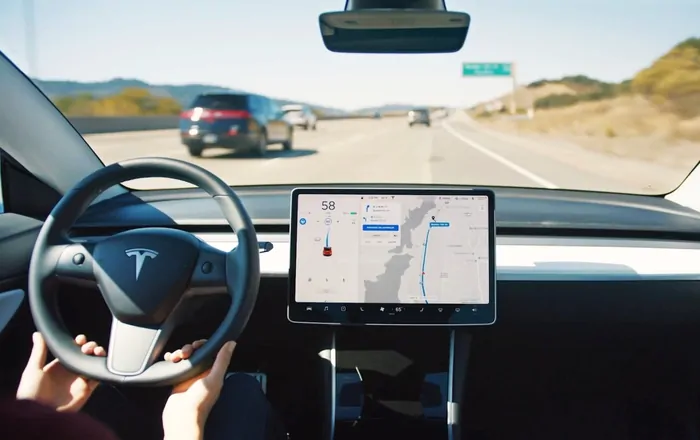
This shift comes just a week after Tesla announced big changes to Full Self-Driving pricing. Starting February 14, the company stopped its one-time $8,000 fee for the software. Instead, customers must use a monthly subscription of $99. Tesla CEO Elon Musk posted that the price will rise as the software gets better. Musk dreams of cars that drive without supervision. He says Full Self-Driving advances let drivers use their phone or even sleep during rides. In December, he claimed a new version allowed phone use, but texting while driving breaks laws in nearly all states.
On Thursday, Tesla launched its first robotaxi Model Y SUVs in Austin, Texas. These have no human safety drivers inside. They run advanced driving software but get followed by Tesla cars for oversight. Tesla phases out Autopilot to make room for these robotaxi dreams.
Full Self-Driving beta launched in late 2020, but few people bought it. In October 2025, Tesla’s CFO Vaibhav Taneja said only 12% of customers paid for it. Musk wants 10 million active subscriptions by 2035. That’s key to his $1 trillion pay package.
Tesla’s Autopilot story started in the early 2010s. Talks with Google failed to use their self-driving tech, which later became Waymo. Tesla built its own system and made it standard on all cars in April 2019. But over years, Tesla phases out Autopilot after struggles with clear messaging.
The company often promised too much, making drivers think it was fully safe. This led to overconfidence. The National Highway Traffic Safety Administration reports hundreds of crashes and at least 13 deaths tied to it. Dropping Autopilot forces a fresh start.
Tesla now bets everything on Full Self-Driving subscriptions. Cheap monthly fees could draw more users. New robotaxis test unsupervised rides. Still, regulators watch closely after past issues. California forced this change, but it fits Musk’s vision.
For buyers, new Teslas skip full Autopilot. They get basic cruise control and must subscribe for smarts. Existing owners wait for details. Tesla phases out Autopilot to simplify choices and grow its advanced tech base.
Read Next: Jubilee Holdings Has Appointed Dennis Kevogo As Head Of Data
This move shakes up self-driving cars. Tesla leads in cameras and software, unlike rivals with radars. But safety probes continue. Musk pushes hard, saying robotaxis will transform travel. Subscriptions make it easy to try, then upgrade as features improve.
In summary, Tesla phases out Autopilot to chase a driverless future. It trades basic aids for supervised full autonomy, hoping millions subscribe. Legal wins in California and robotaxi tests build momentum. Drivers get safer, smarter rides, if promises hold this time.
Was this information useful? Drop a nice comment below. You can also check out other useful contents by following us on X/Twitter @siliconafritech, Instagram @Siliconafricatech, or Facebook @SiliconAfrica.